


In today’s digital age, our internet profiles accurately reflect ourselves in all areas of life. Recently, the United States of America, through Donald Trump’s administration, launched a thorough scheme to tackle illegal migration and immigration vetting.
While social media allows us to connect and share our lives, it’s vital to realise that what you post publicly can have real-world consequences, particularly regarding international travel.


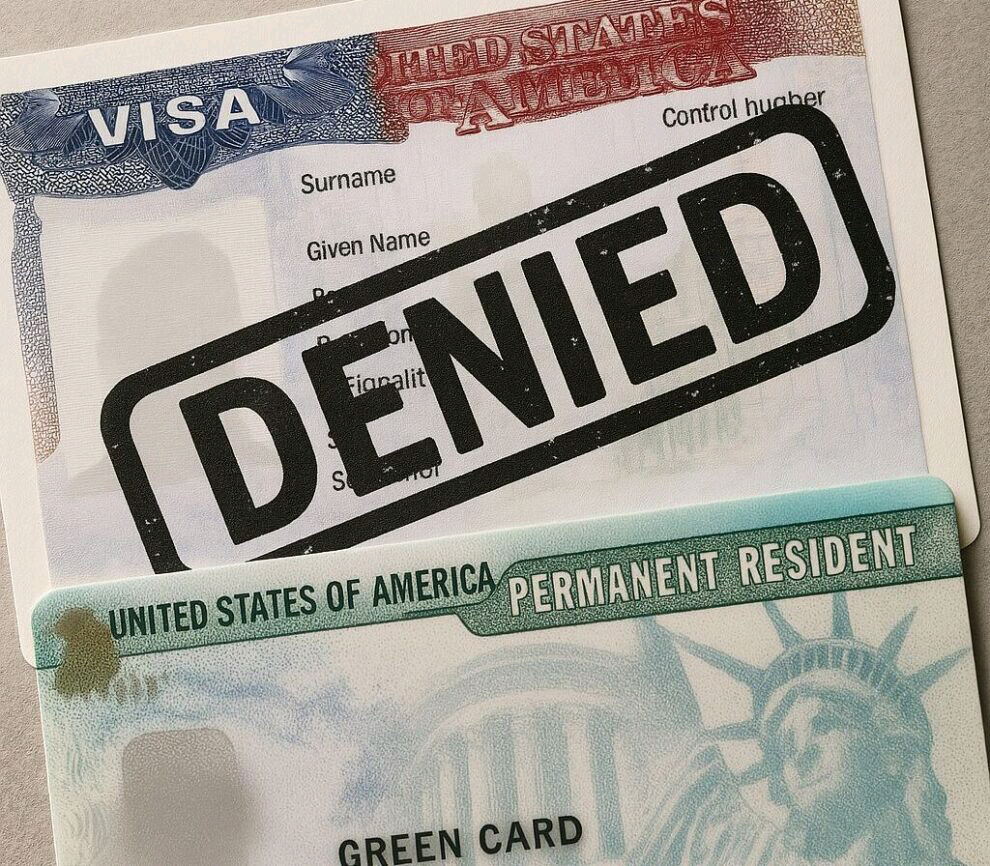
Applying for a US visa is a lengthy verification process, and your social media profiles are increasingly being monitored.
While the US Citizenship and Immigration Services (USCIS) does not explicitly indicate that social media posts are a conclusive reason for denial in most categories, certain information may raise red flags, trigger additional investigation, and ultimately contribute to a bad outcome.

Be careful what you share online to increase your chances of a successful visa application.
Here are 15 things you should not share on social media if you want to travel to the United States:
1. Evidence of Illegal Activity: This is a major red flag. Posts concerning drug use, criminal behaviour, or any other unlawful action may result in a visa denial. Immigration limitations are rigorous, and this content demonstrates disrespect for the law.
2. Support for Terrorism or Extreme Groups: Any content that expresses support, sympathy, or affiliation with terrorist organisations or extreme ideologies will very certainly result in visa refusal.
The United States takes national security extremely seriously.
3. Threats or Incitement to Violence: Posting threats against persons, groups, or the United States government is prohibited. This includes hate speech and other forms of incitement to violence.
4. False or misleading information: Do not post anything contradicting the information you included in your visa application. Discrepancies may create concerns about your credibility and goals.
This involves forging travel arrangements and misrepresenting personal information.
5. Content Promotes Illegal Immigration to the United States: Sharing posts that encourage or aid unlawful entry into the United States may be viewed negatively.
6. Expressing Intent to Overstay Your Visa: Clearly stating that you intend to stay in the United States beyond your authorised stay will likely result in a rejection.
The visa process assumes that you will follow the terms of your entry.
7. Public Arguments or Aggressive Behaviour: While occasional disagreements are understandable, a consistent pattern of aggressive, abusive, or highly confrontational behaviour online may raise concerns about your character and potential for disruptive behaviour in the United States.
8. Excessive Drinking or Drug Use: While social gatherings are common, frequently publishing content that promotes excessive drinking or drug use may raise concerns about potential public health or safety problems.
9. Content which violates US law or societal norms: Be conscious of cultural differences. Posting offensive, discriminatory, or illegal content under US law might be problematic.
10. Publicly Sharing Sensitive Personal Information: While not a direct reason for denial, publicly disclosing highly sensitive information such as your Social Security number (if you have one), passport information, or financial information can expose you to identity theft, complicating your travel plans in the long run.
11. Content That Could Be Interpreted as Anti-American Sentiment: While expressing political opinions is generally acceptable, publishing strong anti-American emotions often raises suspicions about your genuine intentions to visit the United States.
12. Evidence of Working Illegally in Other Countries: Posting about unauthorised employment in other countries may suggest a pattern of breaking immigration laws.
READ ALSO:EFCC declares socialite Aisha Achimugu wanted for alleged money laundering
13. Misrepresentation of Your Travel Objective: Ensure that your social media accounts reflect the real purpose of your trip, as stated in your application (such as tourism, education, or business). Contradictory posts may arouse suspicion.
14. Association with Persons or Groups Involved in Illegal Activity: While you have no control over who you know, openly and actively interacting with people or groups known for illegal activity may draw notice.
15. Private Posts Become Public (Due to a Security Breach): Even if you feel private accounts are secure, data breaches do occur. Be careful what you share, even secretly, because it could become public.
 We do everything possible to supply quality news and information to all our valuable readers day in, day out and we are committed to keep doing this.
Your kind donation will help our continuous research efforts.
-Advertisement-

-Want to get the news as it breaks?-