

The late former President Muhammadu Buhari will be remembered not only for his stern military background but also for a raft of reforms that shaped Nigeria’s socio-political and economic trajectory during his two-term civilian administration from 2015 to 2023.
Buhari, who died recently, left behind a mixed legacy of achievements and controversies that will continue to dominate national conversations for years to come.
Below are 20 landmark reforms of his administration:


1. Treasury Single Account (TSA) Enforcement
Buhari fully implemented the Treasury Single Account (TSA) to consolidate government revenues and curb leakages. Ministries, departments, and agencies were mandated to remit all revenues into a single account to promote transparency.
2. Whistleblower Policy

Introduced to encourage Nigerians to report financial and other crimes. The policy led to the recovery of billions of naira from corrupt officials.
3. N-Power and Social Investment Programmes
His administration launched N-Power, TraderMoni, and other initiatives under the National Social Investment Programme (NSIP) to tackle unemployment and extreme poverty.
4. Anchor Borrowers Programme
Buhari’s government launched the Anchor Borrowers Programme to empower farmers and promote self-sufficiency in food production, particularly rice.
5. Border Closure Policy
In 2019, the Buhari government controversially closed Nigeria’s land borders to curb smuggling and boost local agriculture.
READ ALSO: I’m heartbroken, Buhari’s daughter mourns late father
6. Naira Redesign and Cashless Policy Drive
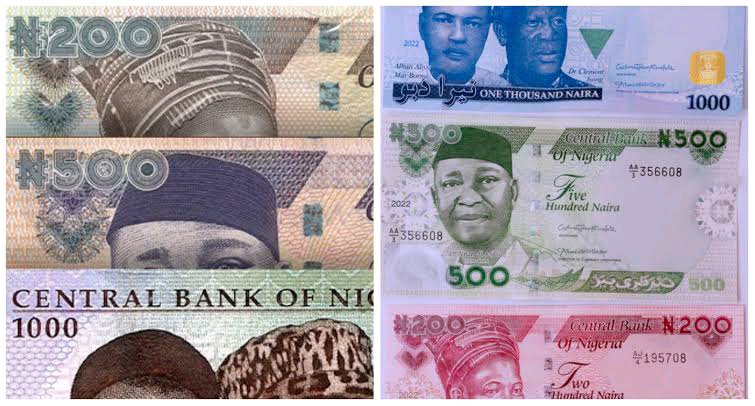
The Central Bank’s naira redesign, approved by Buhari in 2022, sought to fight corruption and vote buying. The policy sparked severe cash shortages and economic hardship, but supporters argued it disrupted criminal money flows.
7. National Minimum Wage Increase
The minimum wage was increased from ₦18,000 to ₦30,000 in 2019, following years of agitation by organised labour.
8. Infrastructure Drive (Roads, Rails, Airports)
Massive investments were made in infrastructure, including the Lagos-Ibadan railway, Abuja-Kaduna rail, Second Niger Bridge, and modernisation of airports.
9. Power Sector Reforms
Buhari’s administration facilitated the Siemens electricity deal to improve power generation and distribution, though results were mixed.
10. Petroleum Industry Act (PIA)
Signed into law in 2021 after decades of delay, the PIA restructured Nigeria’s oil sector to attract investments.
11. Anti-Corruption Campaign
Buhari pursued an aggressive anti-graft war through the EFCC, ICPC, and other agencies, leading to high-profile convictions and asset recoveries.
12. Nigeria Air Project
His administration unveiled Nigeria Air as part of efforts to revive the national carrier, though its success remained in doubt.
13. CAMA 2020 Reform
The Companies and Allied Matters Act (CAMA) was amended for the first time in 30 years to improve ease of doing business.
14. Digital Economy Drive
The introduction of NIN-SIM linkage, e-Naira (Africa’s first central bank digital currency), and expansion of broadband internet marked a push towards a digital economy.
15. Police Act 2020
Buhari signed into law the Police Act to reform the police force and promote accountability.
16. Border Security and Immigration Reform
Deployment of e-border management systems and recruitment drives to secure Nigeria’s porous borders.
17. Presidential Enabling Business Environment Council (PEBEC)
PEBEC was created to improve Nigeria’s ranking in the World Bank’s Ease of Doing Business index.
18. Electoral Act 2022
Buhari signed the amended Electoral Act into law, allowing electronic transmission of results and strengthening the credibility of elections.
19. National Gas Expansion Programme (NGEP)
Promoted the use of natural gas as a cleaner energy alternative to petrol and diesel.
20. Sovereign Wealth Fund Boost
Increased contributions to Nigeria’s Sovereign Wealth Fund to stabilise the economy against oil price volatility.
 We do everything possible to supply quality news and information to all our valuable readers day in, day out and we are committed to keep doing this.
Your kind donation will help our continuous research efforts.
-Advertisement-

-Want to get the news as it breaks?-