


Israel has launched a fresh wave of airstrikes on Iran, with explosions reported in Tehran, as the conflict between both countries intensifies into a full-scale regional crisis.
Authorities in Saudi Arabia and the United Arab Emirates confirmed intercepting incoming missiles and drones, signalling a widening threat across the Gulf.
The International Energy Agency said at least 40 oil and gas facilities have been severely damaged, with about 11 million barrels of crude supply lost daily — surpassing disruptions seen during the 1970s oil shocks.


Iran has responded with missile and drone attacks targeting Israel, Gulf energy sites and US-linked facilities, while tightening control over the Strait of Hormuz, through which a significant share of global crude passes.
Oil prices have climbed above $100 per barrel, with global markets reacting negatively amid fears of prolonged supply disruptions.
Donald Trump warned he could “obliterate” Iranian power plants if Tehran fails to reopen the strait within 48 hours, raising fears of further escalation.

In response, Iran’s parliament speaker, Mohammad Bagher Ghalibaf, said key infrastructure across the region would become “legitimate targets” if the threat is carried out.
Israeli Prime Minister Benjamin Netanyahu has indicated the campaign will be prolonged, with operations extending into Lebanon against Hezbollah.
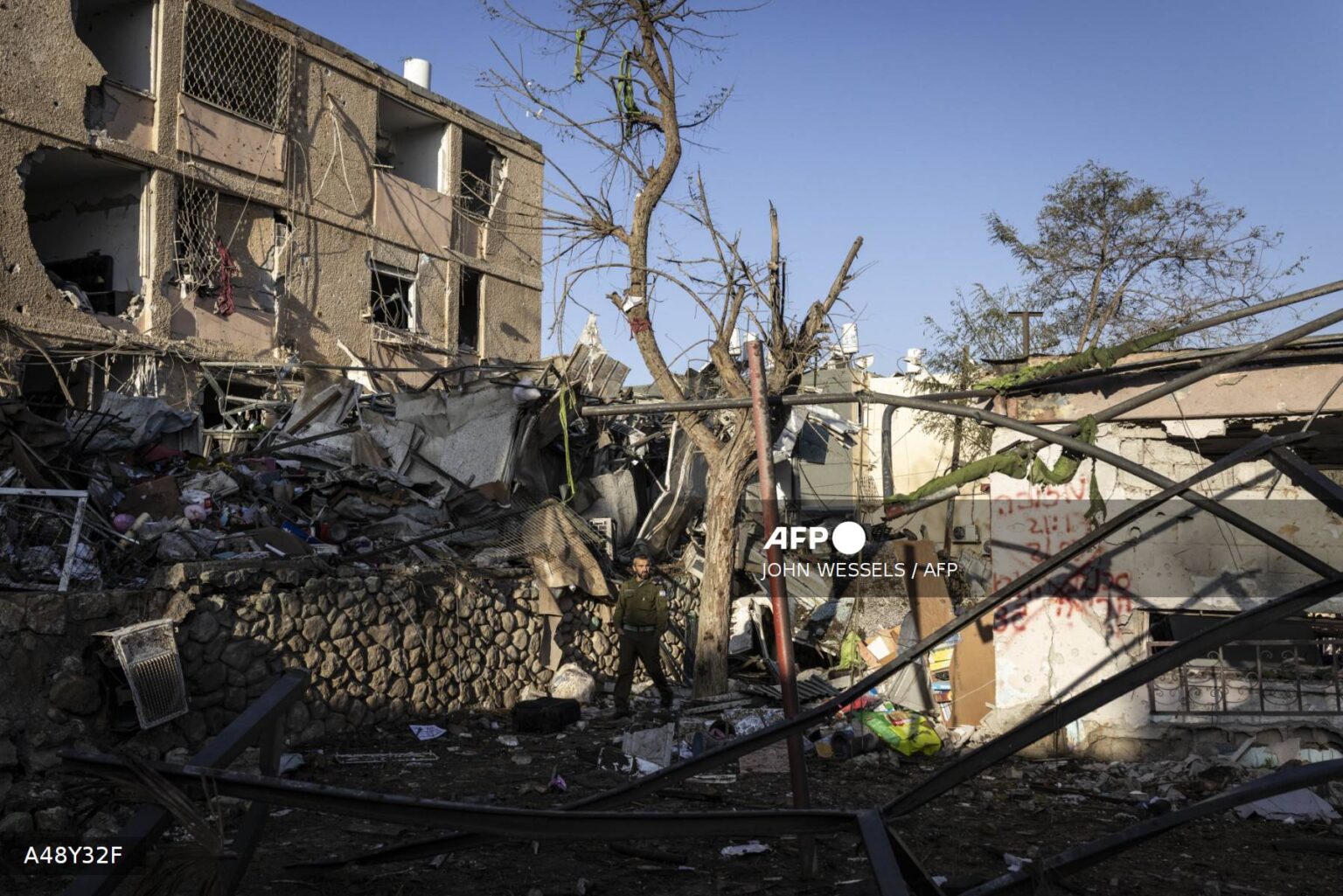
Casualties continue to rise, with thousands reported dead in Iran, while Iranian missile strikes in southern Israel, including near Dimona’s nuclear facility, have injured dozens despite Israel’s air defence systems.
Global energy experts warn that if the conflict persists, its economic impact will spread worldwide, worsening inflation and deepening the ongoing energy crisis.
 We do everything possible to supply quality news and information to all our valuable readers day in, day out and we are committed to keep doing this.
Your kind donation will help our continuous research efforts.
-Advertisement-

-Want to get the news as it breaks?-