





Nigeria’s education sector is heading for a major shake-up as the Federal Government unveils a sweeping policy to control what students read in classrooms.
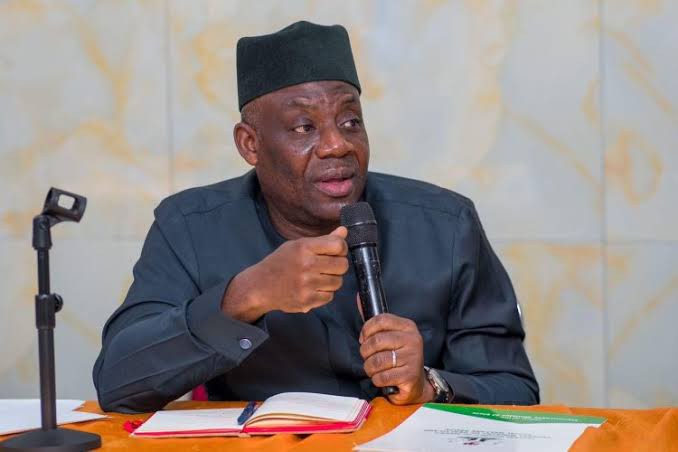
The Minister of Education, Tunji Alausa, announced the introduction of a National Textbook Ranking System aimed at sanitising what he described as the unchecked proliferation of learning materials in schools.


Under the new framework, the Nigerian Educational Research and Development Council will not only approve textbooks but also rank them—effectively determining which books are “fit” for use across primary, junior, and senior secondary schools.

According to the minister, expert-led Standing Subject Committees will rigorously evaluate submissions from publishers using defined academic and pedagogical standards, after which only top-rated textbooks will be approved.
“We are introducing transparency, order and quality assurance into the textbook approval process,” Alausa said, adding that any book not ranked would be banned from classrooms—regardless of previous approval.
The policy, set to take effect from the September academic session, is expected to reduce confusion among teachers and parents, while aligning Nigeria’s education system with global best practices.
However, the move could trigger resistance from publishers and stakeholders who may be squeezed out by the stricter selection process, raising fresh questions about access, competition, and potential monopolies in the textbook market.
For now, the message from government is clear: in Nigeria’s classrooms going forward, not all textbooks will be equal.
 We do everything possible to supply quality news and information to all our valuable readers day in, day out and we are committed to keep doing this.
Your kind donation will help our continuous research efforts.
-Advertisement-

-Want to get the news as it breaks?-






