






The United Nations has warned that vulnerable economies around the world could face an additional $20 billion in annual oil import costs as crude oil prices continue to rise amid ongoing tensions in the Middle East.
The warning was issued by the United Nations Conference on Trade and Development (UNCTAD), which said a 50 per cent increase in global oil prices could worsen economic conditions for many developing countries already struggling with fiscal pressures and high debt burdens.


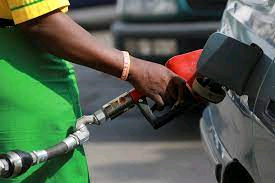
The development comes as Nigeria experiences a sharp increase in the pump price of Premium Motor Spirit (PMS), commonly known as petrol. Checks at major filling stations indicate that petrol prices have surged from about ₦815 per litre before the recent Middle East crisis to an average of ₦1,360 per litre, representing an increase of nearly 70 per cent.

Despite sourcing petroleum products locally, Nigeria has not been insulated from the impact of global energy market disruptions. The rising fuel costs have triggered higher transportation expenses across the country, adding pressure to households and businesses.
According to the National Bureau of Statistics (NBS), average intercity transport fares rose to ₦9,607.41 per passenger in April 2026. Intra-city bus fares increased to ₦1,397.27 per trip, while motorcycle transport costs climbed to ₦1,035.69. Airfares and water transport charges also recorded significant increases.
UNCTAD noted that 65 out of 75 vulnerable economies worldwide are net oil importers, making them highly susceptible to external price shocks. The report highlighted that 86 per cent of Least Developed Countries and 87 per cent of Small Island Developing States depend heavily on imported fuel.
Meanwhile, the International Energy Agency (IEA) warned that global oil markets could enter a “red zone” in July and August as crude inventories continue to decline ahead of peak summer fuel demand in the Northern Hemisphere.
The agency disclosed that global oil stockpiles fell by more than 250 million barrels between March and May, raising concerns about possible supply shortages during the high-demand season.
Speaking at the S&P Global Energy Middle East Petroleum and Gas Conference in London, IEA official Toril Bosoni said oil inventories were being depleted rapidly and could reach historically low levels if current trends continue.
The IEA, alongside the International Monetary Fund and the World Bank, recently cautioned that sustained high fuel prices, increasing freight costs and rising fertiliser prices could fuel global inflation and place additional strain on economies worldwide.
Analysts say the continued volatility in the global oil market could further impact fuel prices in Nigeria and other developing nations unless geopolitical tensions ease and supply conditions improve.
 We do everything possible to supply quality news and information to all our valuable readers day in, day out and we are committed to keep doing this.
Your kind donation will help our continuous research efforts.
-Advertisement-

-Want to get the news as it breaks?-