
Nigeria has again fallen short of the United States’ minimum standards for fiscal transparency, with a new US Department of State report identifying persistent weaknesses in the country’s budget disclosure, audit oversight and public procurement processes.
The finding places Nigeria among 53 countries that recorded no significant improvement during the 2025 assessment period, despite the Federal Government’s ongoing efforts to strengthen public financial management.
The 2026 Fiscal Transparency Report, released on Tuesday, assessed 139 governments and the Palestinian Authority, with only 73 meeting the minimum requirements set by the US government.


The assessment was based on information gathered between January 1 and December 31, 2025, from US diplomatic missions, government agencies, international organisations and civil society groups.
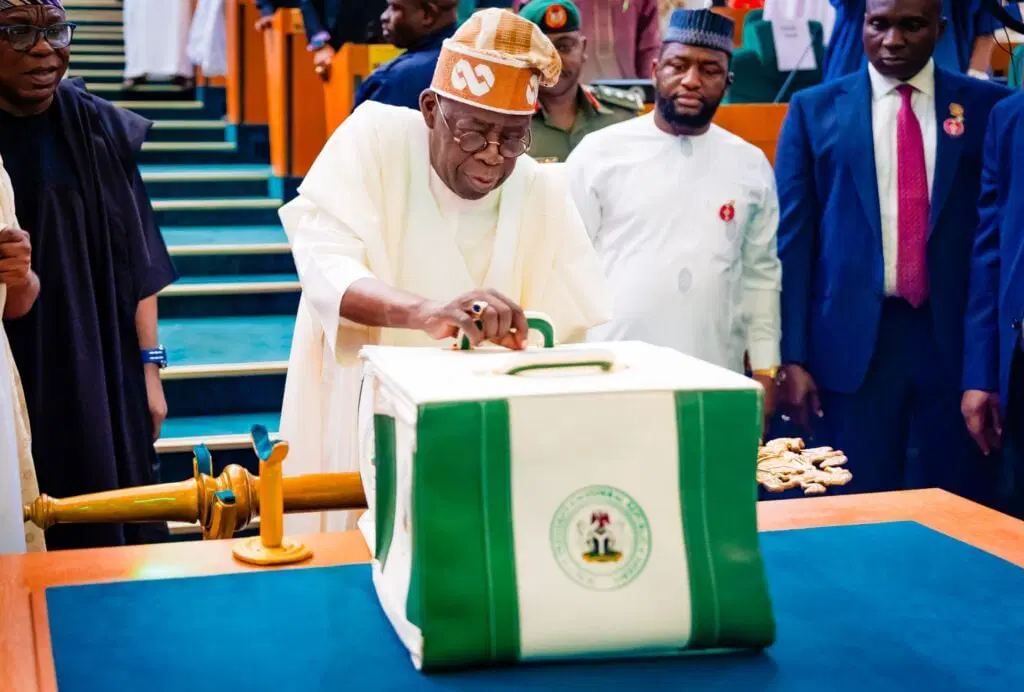
According to the report, Nigeria’s budget documents did not provide a sufficiently detailed picture of government revenue and expenditure, while actual budget performance did not reasonably correspond with figures contained in the approved budget.
The US Department of State also criticised the timing of the Federal Government’s executive budget proposal, noting that it was not made publicly available early enough to allow meaningful scrutiny and debate before the start of the fiscal year.

The latest assessment represents a setback compared with the previous year’s report, which had described Nigeria’s budget documents as providing a substantially complete and generally reliable picture of planned government revenue and spending.
Audit Independence Under Scrutiny
Beyond the budget process, the report raised concerns about the independence and effectiveness of Nigeria’s supreme audit institution, the Office of the Auditor-General for the Federation.
It said the institution did not meet international standards of independence and had not published substantive audit reports within the expected timeframe.
The US government stressed that an independent audit institution is essential to ensuring that public spending is properly examined and that citizens and lawmakers can access credible information on how government funds are used.
The report further noted shortcomings in public access to procurement information, particularly details concerning government contracts.
Although Nigeria was credited with having legal procedures governing the award of natural-resource contracts and licences, the report said important information about awarded concessions was not routinely made public.
It also highlighted the importance of publishing the terms of sovereign loans, including information on liabilities and assets used as collateral.
Washington Lists Six Areas For Improvement
The US Department of State recommended a series of measures aimed at improving Nigeria’s fiscal transparency.
Among them are the timely publication of the executive budget proposal, a clearer breakdown of government revenue and expenditure, better explanations for significant changes between approved and actual spending, stronger independence for the Auditor-General’s office, publication of audit findings and wider access to procurement contract information.
The report said greater fiscal openness would help citizens monitor government spending, strengthen investor confidence and reduce opportunities for corruption and financial abuse.
It, however, cautioned that failing the transparency assessment should not automatically be interpreted as evidence of significant corruption.
Presidency Defends Reform Efforts
Reacting to the report, Special Adviser to the President on Media and Public Communication, Sunday Dare, said the Federal Government acknowledged the findings but maintained that fiscal transparency and accountability remained central to its governance agenda.
Dare said the assessment should be understood as a specific evaluation against the US Department of State’s fiscal transparency benchmarks rather than a complete assessment of every public financial management reform being undertaken by Nigeria.
He pointed to measures including the Open Treasury initiative, publication of budget documents, debt disclosures, public procurement reforms and efforts to digitise procurement systems.
According to him, the government would continue working to improve the quality and timeliness of fiscal reporting, strengthen audit institutions and expand public access to information on procurement and government finances.
He said the administration’s ultimate objective was to build a fiscal system that was more transparent, accountable and credible while ensuring that public resources were managed efficiently.
BudgIT Backs US Assessment
The Country Director of BudgIT, Vahyala Kwaga, broadly agreed with the concerns raised in the US report, particularly regarding budget implementation and audit independence.
Kwaga said while Nigeria’s budget documents generally provide information on projected revenue and expenditure, the major weakness lies in the government’s reporting of actual implementation.
He also criticised the continued reliance on what he described as an outdated legal framework governing the Office of the Auditor-General for the Federation.
Kwaga further raised concerns about vague capital expenditure provisions, the inclusion of projects without sufficient legislative scrutiny and limited public access to procurement processes.
He said information on tenders, bid-opening processes and competitive procurement was often difficult for citizens to obtain.
Nigeria Among Countries That Failed The Test
Globally, the US assessment found that 73 of the governments reviewed met the minimum fiscal transparency requirements, while 67 did not.
Countries that failed to meet the standards included major economies such as China, Egypt, Saudi Arabia, Pakistan and Ukraine.
Only 14 of the 67 countries that failed the assessment were considered to have made significant progress.
Nigeria was listed among the 53 countries that recorded no significant progress during the review period.
The latest verdict comes as Nigeria prepares for another budget cycle and continues to debate the implementation of its 2026 spending plan.
It also puts renewed pressure on the Federal Government to address questions around budget execution, procurement disclosure and independent auditing before the country enters the 2027 budget process.
 We do everything possible to supply quality news and information to all our valuable readers day in, day out and we are committed to keep doing this.
Your kind donation will help our continuous research efforts.
-Advertisement-

-Want to get the news as it breaks?-