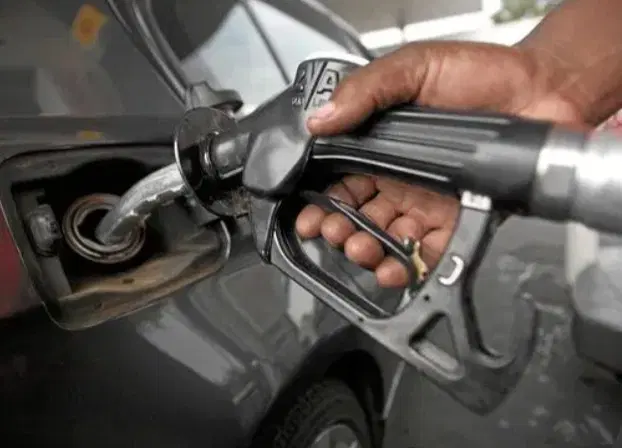

Nigeria’s daily petrol consumption dropped by about 600,000 litres year-on-year in June 2026, even as local refineries supplied nearly four-fifths of the Premium Motor Spirit consumed across the country during the first half of the year.
Data from the Nigerian Midstream and Downstream Petroleum Regulatory Authority showed that average daily consumption of Premium Motor Spirit, popularly known as petrol, declined to 47.4 million litres in June 2026, from 48 million litres recorded in June 2025.
The decline represents a 1.27 per cent year-on-year reduction, reflecting a broader shift in fuel demand following the sharp increase in petrol prices since the removal of the subsidy regime.


The figures also reveal a significant change in Nigeria’s fuel supply structure, with domestic refineries accounting for 6.609 billion litres, or 77.9 per cent, of the 8.482 billion litres of petrol supplied to the domestic market between January and June 2026.
Imported petrol accounted for the remaining 1.873 billion litres, representing 22.1 per cent of total supply.
The latest figures underline the growing role of domestic refining in meeting Nigeria’s petrol needs, even as consumption remains well below some of the levels recorded in previous months.

Demand Remains Volatile
NMDPRA’s monthly data showed that petrol demand fluctuated significantly during the first six months of the year.
Daily consumption stood at 60.2 million litres in January, before falling to 56.9 million litres in February.
Demand dropped sharply to 47.3 million litres in March, recovered to 51.1 million litres in April, declined again to 46.3 million litres in May and edged up to 47.4 million litres in June.
The figures suggest that the market has yet to settle into a consistent consumption pattern following major changes in the downstream petroleum sector.
An analysis of the broader 13-month period from June 2025 to June 2026 showed average daily petrol consumption of about 50 million litres.
December 2025 recorded the highest consumption during the period, at approximately 63.7 million litres per day, while September 2025 posted the lowest figure at 43.8 million litres daily.
The persistent fluctuation has occurred against the backdrop of a dramatic increase in petrol prices since June 2023, with the price of the commodity rising by about 550 per cent over the period.
Domestic Refineries Dominate Supply
While consumption has declined, the supply side of the market has undergone a notable transformation.
Domestic refineries supplied an average of 40.1 million litres per day in January, before their contribution fell to 29.4 million litres in February.
Local supply rose to 34.2 million litres in March and 40.7 million litres in April, before increasing further to 41.5 million litres in May. It, however, fell to 32.5 million litres per day in June.
Imports followed a contrasting pattern.
Imported petrol supplied 24.8 million litres daily in January but dropped dramatically to three million litres in February. It rose to 5.9 million litres in March, declined to 3.7 million litres in April, returned to 5.9 million litres in May and surged to 18.1 million litres daily in June.
The June increase in imports came as domestic refinery output declined from its May level.
Other Petroleum Products
The NMDPRA data also showed that Nigeria received an average of 50.6 million litres of petrol daily during the period covered by the regulator’s product receipts data.
Diesel, otherwise known as Automotive Gas Oil, averaged 16.2 million litres daily, while Aviation Turbine Kerosene averaged **2.5 million litres.
Liquefied Petroleum Gas, popularly known as cooking gas, recorded average receipts of 5.1 kilotonnes.
The latest petrol figures highlight two simultaneous developments in Nigeria’s downstream oil market: fuel demand is weakening while domestic refining is taking a larger share of the market.
For consumers, the sustained decline in petrol demand could point to the continuing effect of higher pump prices on household and commercial fuel use, while the growing contribution of local refineries signals a gradual reduction in dependence on imported petrol.
 We do everything possible to supply quality news and information to all our valuable readers day in, day out and we are committed to keep doing this.
Your kind donation will help our continuous research efforts.
-Advertisement-

-Want to get the news as it breaks?-