


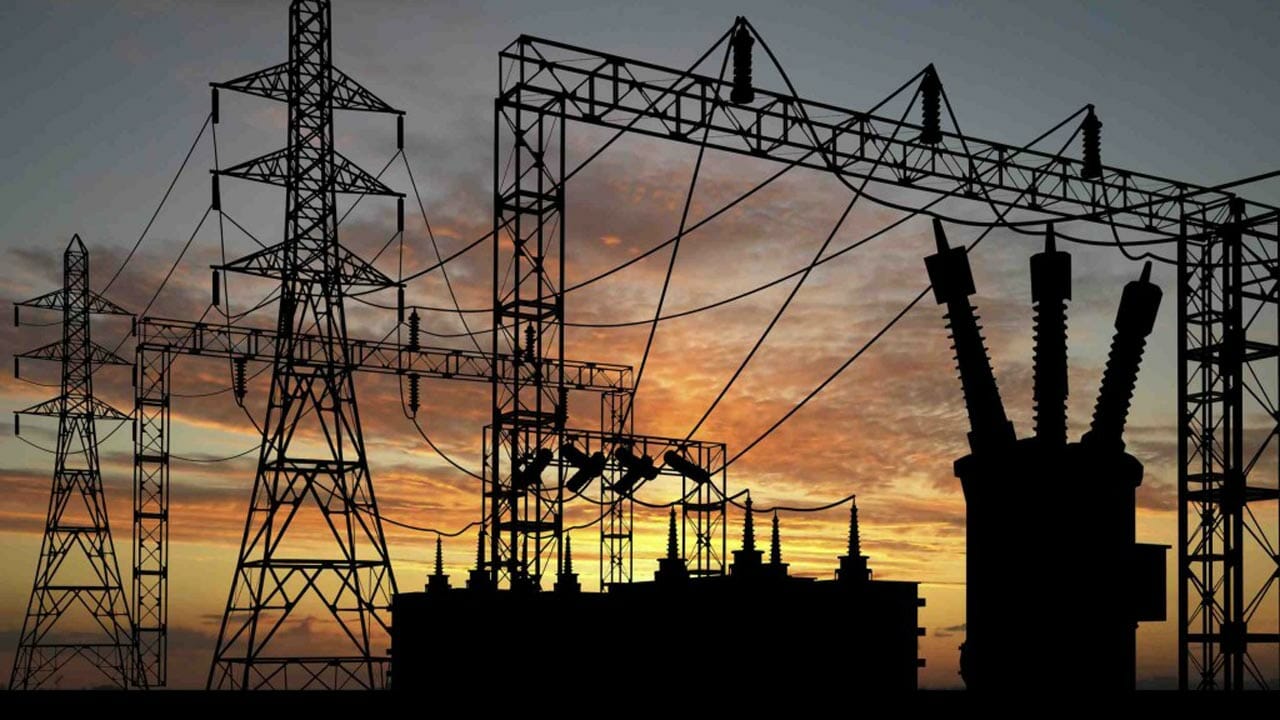
The Federal Government has announced plans to end electricity subsidy payments from 2027 as part of efforts to address the mounting debt burden threatening the financial stability of Nigeria’s power sector.
The Minister of Power, Joseph Tegbe, disclosed this during a media interactive session on Friday, saying the government was working towards replacing the current subsidy arrangement with a more sustainable funding framework.
Tegbe said the planned withdrawal was necessary to prevent the continued accumulation of debts across the electricity value chain while addressing existing liabilities.

“We have the mandate of Mr President to clear the legacy debt and come up with sustainable structures to make sure this doesn’t pile up any more,” the minister said.
He, however, assured Nigerians that ending the subsidy would not mean withdrawing electricity services or abandoning efforts to improve power supply.
“I promise you, next year, by God’s grace, we will put a stop to this so-called subsidy in the power sector. Mr President, we will not deprive Nigeria of anything. We’ll make sure Nigerian consumers continue to have power and improve power services,” he said.

Despite the planned policy change, Tegbe said there was no immediate plan by the Federal Government to increase electricity tariffs.
The proposed subsidy exit comes amid growing financial pressures in the power sector, with government and industry estimates showing that unpaid obligations have accumulated to several trillions of naira.
The Federal Government had previously estimated the electricity subsidy burden at about ₦3tn as of February 2024, while the Association of Power Generation Companies put outstanding debts owed to generating companies at approximately ₦6.5tn.
The huge liabilities have raised concerns about the ability of power generation companies to maintain operations and sustain electricity production, particularly as unpaid invoices continue to affect the wider electricity supply chain.
In response, the Tinubu administration has commenced a debt-settlement programme aimed at clearing verified obligations and breaking the cycle of accumulating liabilities.
President Bola Tinubu approved a ₦4tn bond programme under the Presidential Power Sector Debt Reduction Programme to support the settlement of verified debts owed across the sector.
The Federal Government issued the first tranche of the bond, valued at ₦501bn, in January.
A second tranche worth about ₦729bn was subsequently announced in July, with the funds earmarked for the settlement of verified obligations owed to power generation companies.
The government has also begun efforts to establish clearer funding responsibilities for electricity subsidies.
Earlier this year, President Tinubu directed ministries, departments and agencies to apply existing electricity-sector laws in determining the respective subsidy-financing responsibilities of the Federal Government, state governments and local governments in the 2026 budget.
The proposed 2027 subsidy exit is therefore being presented by the government as part of a broader restructuring of the power sector rather than simply a cost-cutting measure.
The administration says the objective is to establish a system in which electricity financing is more predictable, sector debts do not continue to accumulate and operators can receive payments for services provided.
For electricity consumers, however, the key concern remains whether the end of government subsidy payments will eventually translate into higher tariffs.
While Tegbe said there was no immediate plan for a tariff increase, the long-term impact of the proposed subsidy withdrawal will depend on the funding structure ultimately adopted by the government and how efficiently the sector’s accumulated debts are resolved.
The Federal Government is expected to continue discussions with key stakeholders as it works towards implementing a new financing model ahead of the proposed 2027 subsidy exit.
 We do everything possible to supply quality news and information to all our valuable readers day in, day out and we are committed to keep doing this.
Your kind donation will help our continuous research efforts.
-Advertisement-

-Want to get the news as it breaks?-