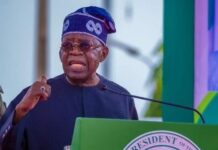




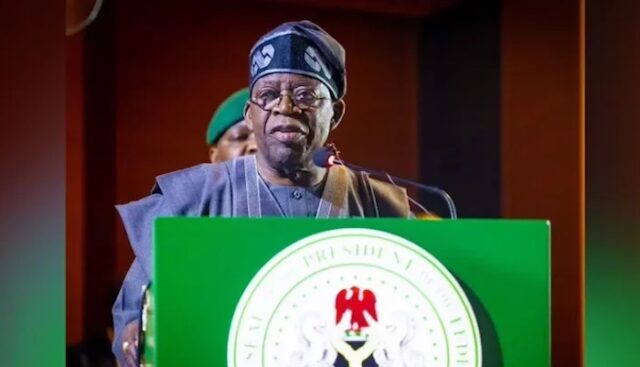

Nigerians are still waiting for a nationwide reduction in transportation fares promised by President Bola Tinubu as part of the Federal Government’s Compressed Natural Gas (CNG) initiative.
Tinubu had, at a meeting with state governors on August 27, said Nigerians should begin to see measurable reductions in transportation costs from October 1.


The President linked the expected reduction to the National Affordable CNG Transit Programme under the Presidential Initiative on Compressed Natural Gas and Electric Vehicles (Pi-CNG & EV).
He also directed the rollout of 500 additional CNG refuelling stations across the country as part of efforts to lower transportation costs.
However, more than five days into October, transport fares remain high in many parts of the country, with commuters yet to experience a significant nationwide reduction.

When contacted on Monday, presidential spokesperson Sunday Dare had not responded to enquiries on the implementation of the promised fare reduction as of the time of filing the report.
CNG fares cheaper on some routes
The Executive Chairman of the Pi-CNG & EV initiative, Ismaeel Ahmed, however, said the reduction had already started on some routes.
Ahmed, on September 30, said commuters using CNG-powered buses could pay significantly less than passengers using conventional commercial transport.
He cited the Gwagwalada-Abuja route, where he said commuters could pay about 40 per cent less.
Despite the Federal Government’s rollout of CNG buses in various states, transport costs remain elevated in many locations.
In Abuja and its environs, petrol prices were reported at between N1,370 and N1,410 per litre, while diesel sold for between N1,940 and N2,000, depending on the location.
Petrol prices have declined by about N20 to N25 per litre in recent weeks, but the prevailing pump prices remain high for many commuters and transport operators.
Accountability concerns
The delay in achieving a broader reduction has also drawn criticism from opposition figures and civil society actors.
Former Vice President and African Democratic Congress opposition leader, Atiku Abubakar, had questioned the Tinubu administration over the promised reduction in transportation costs.
Country Director of Transparency International Nigeria, Auwal Rafsanjani, also criticised what he described as poor accountability among public officials.
Rafsanjani said government officials often make commitments without putting adequate mechanisms in place to ensure their implementation.
He argued that such pronouncements raise public expectations and could further weaken citizens’ confidence in government when promised results fail to materialise.
According to him, the government should ensure that implementation mechanisms are ready before making major public commitments.
 We do everything possible to supply quality news and information to all our valuable readers day in, day out and we are committed to keep doing this.
Your kind donation will help our continuous research efforts.
-Advertisement-

-Want to get the news as it breaks?-