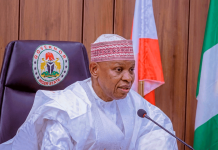


Nigeria has been elected to the United Nations Human Rights Council (UNHRC) after securing 172 votes out of 181 in an election conducted by the United Nations General Assembly.
The election will enable Nigeria to serve on the council from 2027 to 2029, alongside 14 other countries elected to the human rights body.


Nigeria’s Permanent Representative to the United Nations, Dr Jimoh Ibrahim, welcomed the development and congratulated President Bola Tinubu on the country’s successful bid.
Other countries elected to the council include Brazil, Burundi, the Dominican Republic, Germany, Ghana, Ireland, Japan, Jordan, Kuwait, Nepal, the Republic of Moldova, Ukraine, Uruguay and Zambia.
What Nigeria’s election means
Membership of the UN Human Rights Council provides countries with an opportunity to participate in international deliberations on human rights protection, accountability and the promotion of fundamental freedoms.

The council is responsible for promoting universal respect for human rights, addressing violations and abuses, and recommending measures to tackle human rights challenges across the world.
Its responsibilities also include reviewing the human rights records of countries, protecting vulnerable groups, promoting equality and combating discrimination.
The body further encourages international cooperation, supports human rights education and awareness, and responds to situations involving serious human rights violations.
Nigeria’s election comes with opportunities to strengthen its diplomatic engagement, contribute to international human rights discussions and share experiences on addressing rights-related challenges.
However, membership also carries responsibilities, including supporting the council’s mandate and demonstrating commitment to the promotion and protection of human rights.
Nigeria’s three-year tenure is scheduled to begin in 2027.
 We do everything possible to supply quality news and information to all our valuable readers day in, day out and we are committed to keep doing this.
Your kind donation will help our continuous research efforts.
-Advertisement-

-Want to get the news as it breaks?-