




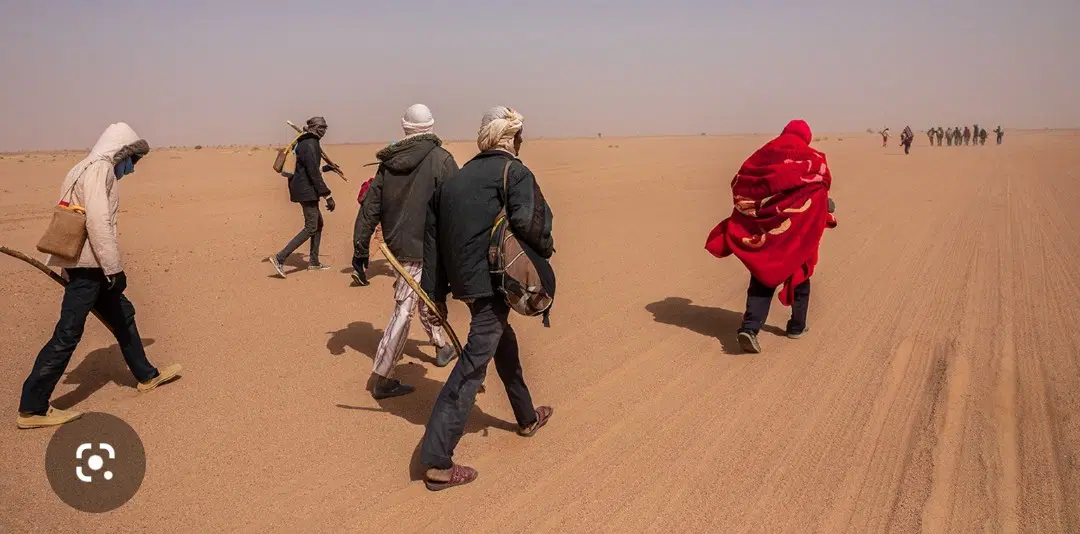

Nigeria’s refugee population abroad rose to 478,150 in 2025, marking a 36 per cent increase from 352,960 recorded in 2020, according to data from the United Nations High Commissioner for Refugees (UNHCR).
The figures, published in a report by Vanguard, show that 125,190 more Nigerians were recognised as refugees abroad over the five-year period, even as several major destination countries tightened their immigration policies.


The rise comes amid persistent security challenges and economic pressures in Nigeria, with UNHCR identifying conflict and insecurity as the main drivers of forced displacement. Economic vulnerability, communal violence and climate-related emergencies were also cited as factors contributing to cross-border movement.
According to the report, Niger hosted 258,402 Nigerian refugees, followed by Cameroon with 127,858. Canada, Chad and Italy were also listed among the leading host countries, with 34,125, 22,811 and 22,186 Nigerians respectively.
The figures suggest that neighbouring countries continue to play a major role in providing protection to Nigerians fleeing violence. UNHCR explained that people escaping conflict into neighbouring countries are often recognised collectively as refugees, rather than being counted as individual asylum-seekers.

Asylum figures decline amid growing displacement
Despite the increase in recognised refugees, the number of Nigerians awaiting decisions on asylum claims fell by 35.6 per cent, from 87,289 in 2020 to 56,176 in 2025.
UNHCR Nigeria said the decline should not be taken as proof that fewer Nigerians were fleeing the country. The agency explained that pending claims decrease when cases are decided or closed.
The report also linked the reduction partly to fewer pending Nigerian asylum cases in the United States, where the figure reportedly fell from 33,414 in 2020 to 3,033.
Separately, the International Organisation for Migration estimated that more than 3.6 million Nigerians were internally displaced, reflecting the scale of the humanitarian challenge within the country.
IOM warns against relying on border restrictions
Ali Ibrahim Ali, Head of the IOM Sub-Office in Lagos, said tightening borders without providing safer alternatives could expose migrants to greater danger.
“Stricter borders alone will not stop migration and can push people towards irregular and more dangerous routes,” he said.
Ali called for better border management, legal migration options and access to reliable information, alongside opportunities that reduce the risk of trafficking, smuggling and exploitation.
Former ambassador Florentina Adenike-Ukonga also pointed to unemployment, the search for improved living conditions and false promises of jobs abroad as factors driving irregular migration. She warned that some migrants spend their savings or sell property to pay smugglers, only to encounter exploitation and dangerous travel conditions.
Former diplomat Dahiru Suleiman urged the government to intensify public education about the risks of irregular migration and encourage Nigerians to pursue legitimate employment opportunities before travelling abroad.
The figures point to a complex challenge that cannot be measured by asylum applications alone. Refugee numbers reflect people recognised as needing international protection, while asylum statistics cover claims still awaiting decisions. Internally displaced people, meanwhile, have been forced from their homes but remain within Nigeria.
Addressing insecurity and displacement, alongside economic pressures and safer routes for lawful migration, will be crucial to reducing the circumstances that force Nigerians to seek protection abroad.
 We do everything possible to supply quality news and information to all our valuable readers day in, day out and we are committed to keep doing this.
Your kind donation will help our continuous research efforts.
-Advertisement-

-Want to get the news as it breaks?-