
The Nigeria Labour Congress (NLC), senior advocate Femi Falana and other activists have urged the Federal Government to take urgent steps to reduce petrol prices and address the rising cost of living in Nigeria.
The call came at a Lagos symposium held to commemorate late activist Abiodun Aremu, where labour leaders and civil society representatives expressed concern over the impact of higher energy and food costs on workers and low-income households.
Speaking through the NLC’s Acting General Secretary, Benson Upah, NLC President Joe Ajaero said the removal of petrol subsidy had worsened the economic pressure on Nigerians, citing higher transportation costs, rising food prices, electricity tariffs and the weakening naira.


Ajaero disclosed that the union had issued the Federal Government a two-week ultimatum, beginning October 9, to reduce petrol prices.
He warned that the NLC could pursue further action if the government failed to respond within the deadline.
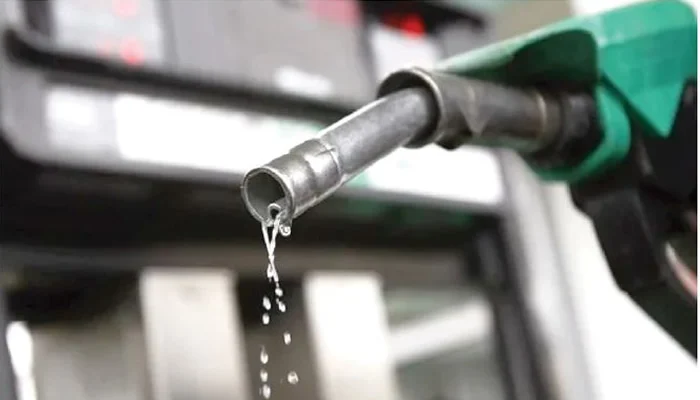
The labour centre argued that petrol prices should be brought closer to the level that prevailed when the current ₦70,000 national minimum wage was agreed in 2024.

“A worker earning ₦70,000 a month cannot afford to buy petrol at ₦1,400 per litre,” Ajaero said, describing the minimum wage as inadequate in the face of rising living costs.
The NLC also called for tax relief for workers, wage awards to cushion economic pressures, measures to stabilise the naira and stronger investment in domestic refining.
Falana, who chaired the symposium, challenged the position that subsidy removal was the only available response to Nigeria’s economic challenges.
He argued that other countries subsidise essential services, including fuel, education and healthcare, and urged the government to consider policy alternatives that would reduce the burden on citizens.
Falana also criticised the high cost of petrol, saying the landing cost of the commodity did not capture the additional expenses consumers face through distribution and transportation.
He cited political figures Omoyele Sowore and Donald Duke as among those who had reportedly expressed support for petrol prices below ₦500 per litre if they assumed power.
Meanwhile, Rashidat Adesina of the Joint Action Front said the increase in petrol prices had severely affected workers and poor households.
She noted that at ₦1,400 per litre, a monthly minimum wage of ₦70,000 would buy just 50 litres of petrol, leaving workers to meet other expenses such as rent, food, school fees and transportation.
Adesina also raised concerns about poverty and the widening gap between household incomes and the cost of basic necessities. However, the specific poverty figures she cited require verification against the relevant National Bureau of Statistics publication and reference period.
The symposium ended with calls for the government to reconsider economic policies, reduce the pressure on workers and pursue measures aimed at lowering living costs.
The NLC’s ultimatum was issued on October 9, according to the union’s statement reported by Vanguard. The two-week period would run to approximately October 23, although the report does not establish whether the government has since met the demands.
 We do everything possible to supply quality news and information to all our valuable readers day in, day out and we are committed to keep doing this.
Your kind donation will help our continuous research efforts.
-Advertisement-

-Want to get the news as it breaks?-