






Nigeria supplied just 41.3 per cent of its total natural gas output to the domestic market in the first 10 months of 2026, despite having proven reserves of 215.19 trillion cubic feet (Tcf).
Figures from the Nigerian Midstream and Downstream Petroleum Regulatory Authority (NMDPRA) showed that domestic gas supply averaged 2.04 billion cubic feet per day (bcf/d) between January and October, out of the country’s total average supply of 4.95 bcf/d.


The remaining 58.7 per cent, representing 2.91 bcf/d, went to Nigeria LNG Limited (NLNG).
According to the regulatory authority’s latest report obtained by Vanguard, total average daily gas supply increased by 2.7 per cent to 4.951 bcf/d in October, compared with 4.822 bcf/d recorded in September.
Domestic supply rose by 2.3 per cent to 2.113 bcf/d, while deliveries to NLNG increased by three per cent to 2.838 bcf/d.

April recorded the highest average daily gas supply within the 10-month period at 5.141 bcf/d, comprising 2.01 bcf/d for the domestic market and 3.13 bcf/d for NLNG.
Gas supply to power plants also increased by 10 per cent to 0.571 bcf/d in October. Deliveries to gas-based industries rose, while supplies to commercial users declined. Supply to the Escravos Gas-to-Liquids facility dropped by two per cent.
Meanwhile, gas exports recorded growth during the period under review, with average daily LNG exports rising by seven per cent to 52,721 metric tonnes in October from 49,198 metric tonnes in September.
Pipeline exports through the West African Gas Pipeline also increased by 11 per cent to 0.149 bcf/d from 0.134 bcf/d.
Cooking Gas Price Rises 12.5%
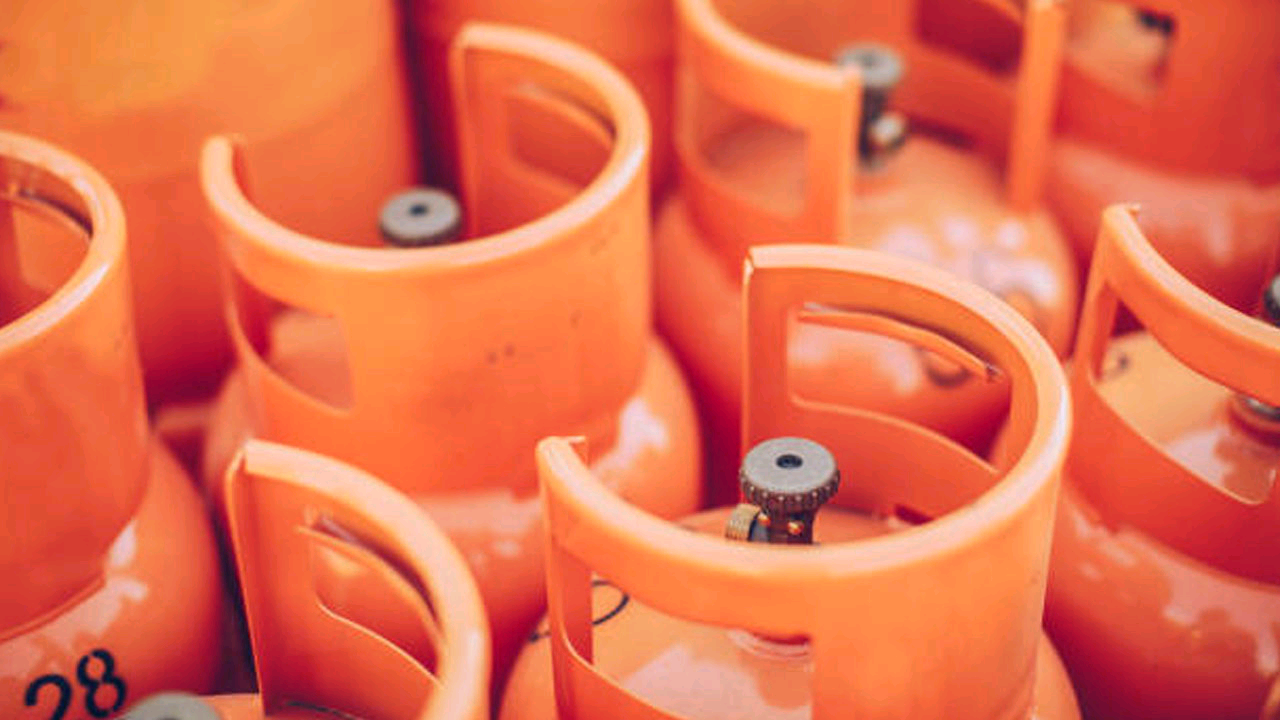
The development comes amid an increase in the domestic price of liquefied petroleum gas (LPG), popularly known as cooking gas.
The average retail price rose by 12.5 per cent to ₦1,800 per kilogramme in November 2026 from ₦1,600 recorded in October.
Vanguard attributed the increase largely to limited supply, while the average depot price stood at ₦1,274 per kilogramme in the Daily Depot Price Intelligence Report for November 20.
Speaking on the country’s domestic gas supply challenges, the Executive Secretary and Chief Executive Officer of the Nigerian Association of Liquefied Petroleum Gas Marketers (NALPGAM), Bassey Essien, said Nigeria must make its domestic gas market commercially attractive to secure adequate supplies.
He explained that although gas exports generated foreign exchange, the domestic market also needed competitive pricing and investment incentives to attract sufficient volumes.
According to him, the solution was not to halt exports but to strengthen the competitiveness of the local market while preserving export earnings.
Essien also noted that the Domestic Gas Delivery Obligation (DGDO) could not guarantee actual deliveries without adequate gathering, processing and transportation infrastructure, as well as effective payment systems.
He identified the proposed Gas Swap Framework as a possible solution to infrastructure and supply constraints by connecting producers with available gas but limited evacuation capacity to operators with infrastructure but insufficient supplies.
Similarly, the Lead Consultant for Industry and Private Sector Development at the ECOWAS Commission, Prof. Ken Ife, said Nigeria needed to convert its enormous gas reserves into reliable and commercially viable supplies for the domestic economy while sustaining export revenues.
 We do everything possible to supply quality news and information to all our valuable readers day in, day out and we are committed to keep doing this.
Your kind donation will help our continuous research efforts.
-Advertisement-

-Want to get the news as it breaks?-