




Only 26.7 per cent of patients who sustained moderate-to-severe traumatic brain injuries in Lagos received medical attention before arriving at the hospital, a new study has revealed.
The finding highlights significant gaps in Nigeria’s emergency medical response system, particularly in the critical period between the occurrence of an injury and a victim’s arrival at a healthcare facility.
The study, presented by Dr John Ajuzie of the Neurological Surgery Unit, Department of Surgery, examined the pre-hospital care and treatment outcomes of 101 patients aged between 16 and 65.

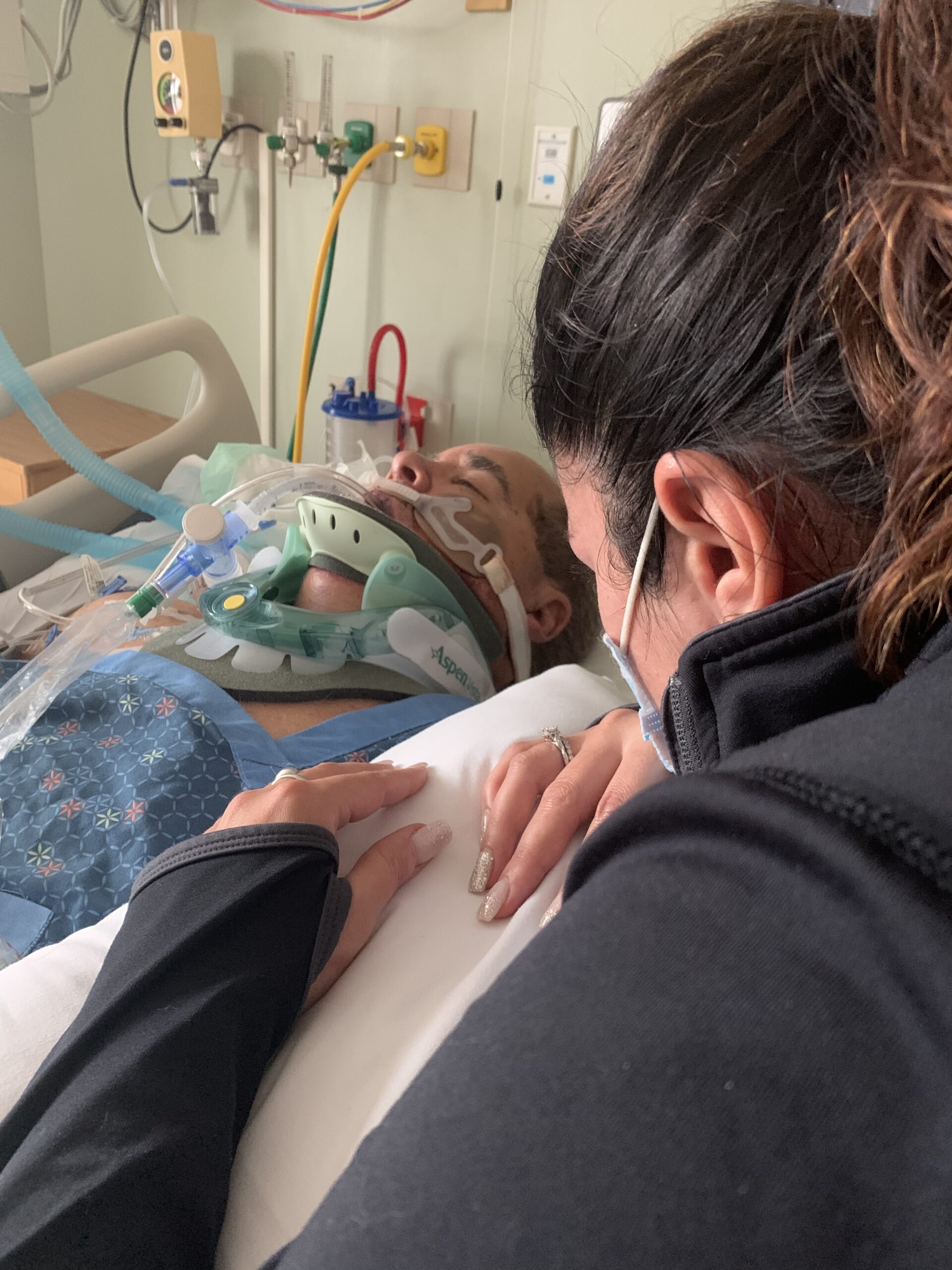
The patients, who sustained moderate-to-severe traumatic brain injuries, were admitted to hospital within 24 hours of their injuries.
Presenting the findings at the 16th Scientific Conference and Annual General Meeting of the Nigerian Academy of Neurological Surgeons in Lagos on Thursday, Ajuzie said the low rate of pre-hospital intervention exposed major weaknesses in the country’s emergency response arrangements.
According to the study, 62.4 per cent of the patients suffered moderate traumatic brain injuries, while 37.6 per cent sustained severe injuries.
The patients had a mean age of 39.1 years, with men accounting for the majority of the cases.
Road traffic crashes were identified as the leading cause of the injuries.
The researchers also examined how victims were rescued, the means of transportation used to convey them to hospitals and the time taken to access medical attention.
The findings showed that most victims were rescued by bystanders, highlighting the important role members of the public play in responding to emergencies involving traumatic injuries.
Patients’ recovery outcomes were assessed at six and 12 weeks using the Glasgow Outcome Scale, with the researchers observing differences in their conditions during the follow-up period.
The study identified inadequate pre-hospital intervention and the absence of a coordinated emergency response system as major challenges affecting the management of traumatic brain injury cases.
It recommended strengthening emergency medical services, training first responders and introducing standardised protocols for providing care before patients reach hospitals.
The researchers also stressed the need for better coordination among first responders, emergency medical personnel and hospitals to improve survival rates and recovery outcomes.
They said the findings underscored the urgent need for Lagos and Nigeria to develop a more effective pre-hospital emergency care system capable of delivering timely medical assistance to victims of serious injuries.
 We do everything possible to supply quality news and information to all our valuable readers day in, day out and we are committed to keep doing this.
Your kind donation will help our continuous research efforts.
-Advertisement-

-Want to get the news as it breaks?-