


The rise of artificial intelligence in education is forcing schools and universities to rethink everything from homework policies to how final exams are administered. With tools like ChatGPT now widespread, students can generate essays, solve complex math problems or draft lab reports in seconds, raising urgent questions about what authentic learning looks like in 2025.
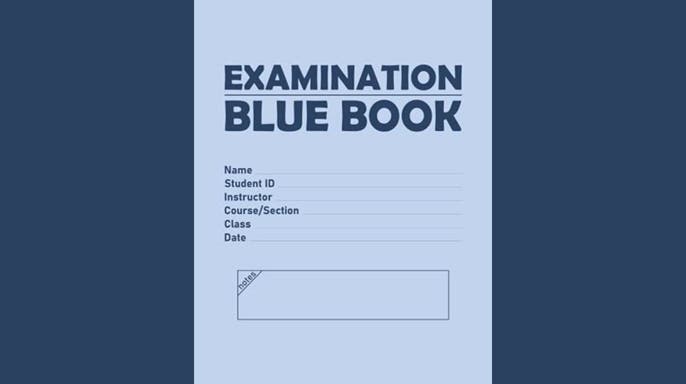
To fight back, some schools are turning to an unlikely solution: pen and paper. The old-school “blue book,” a lined booklet used for handwritten test answers, is staging a comeback, according to reporting from The Wall Street Journal.
And while it might seem like a relic of a pre-digital era, educators say it’s one of the most effective tools they have to ensure students are actually doing their own work.


How common is AI cheating in schools today?
While it’s difficult to measure precisely, recent surveys suggest up to 89% of students have used AI tools like ChatGPT to help with coursework. Some admit to using it only for brainstorming or grammar fixes, but others rely on it to write entire papers or take-home tests. As reported, the spike in academic dishonesty has left faculty scrambling to preserve academic standards.
Universities have reported a sharp rise in disciplinary cases tied to AI, but many incidents likely go undetected. Detection software like Turnitin’s AI writing checker is being used more widely, but even those tools admit their systems aren’t foolproof.
Are handwritten exams enough to stop AI cheating in schools?
Still, not everyone is convinced this is the answer. Critics argue that relying on in-class, timed writing may shortchange students on deeper research skills and analytical thinking, especially for complex topics that benefit from time, revision and outside sources. Plus, blue books do little to prevent AI misuse on homework, group projects or take-home essays.

Foxnews.com
 We do everything possible to supply quality news and information to all our valuable readers day in, day out and we are committed to keep doing this.
Your kind donation will help our continuous research efforts.
-Advertisement-

-Want to get the news as it breaks?-