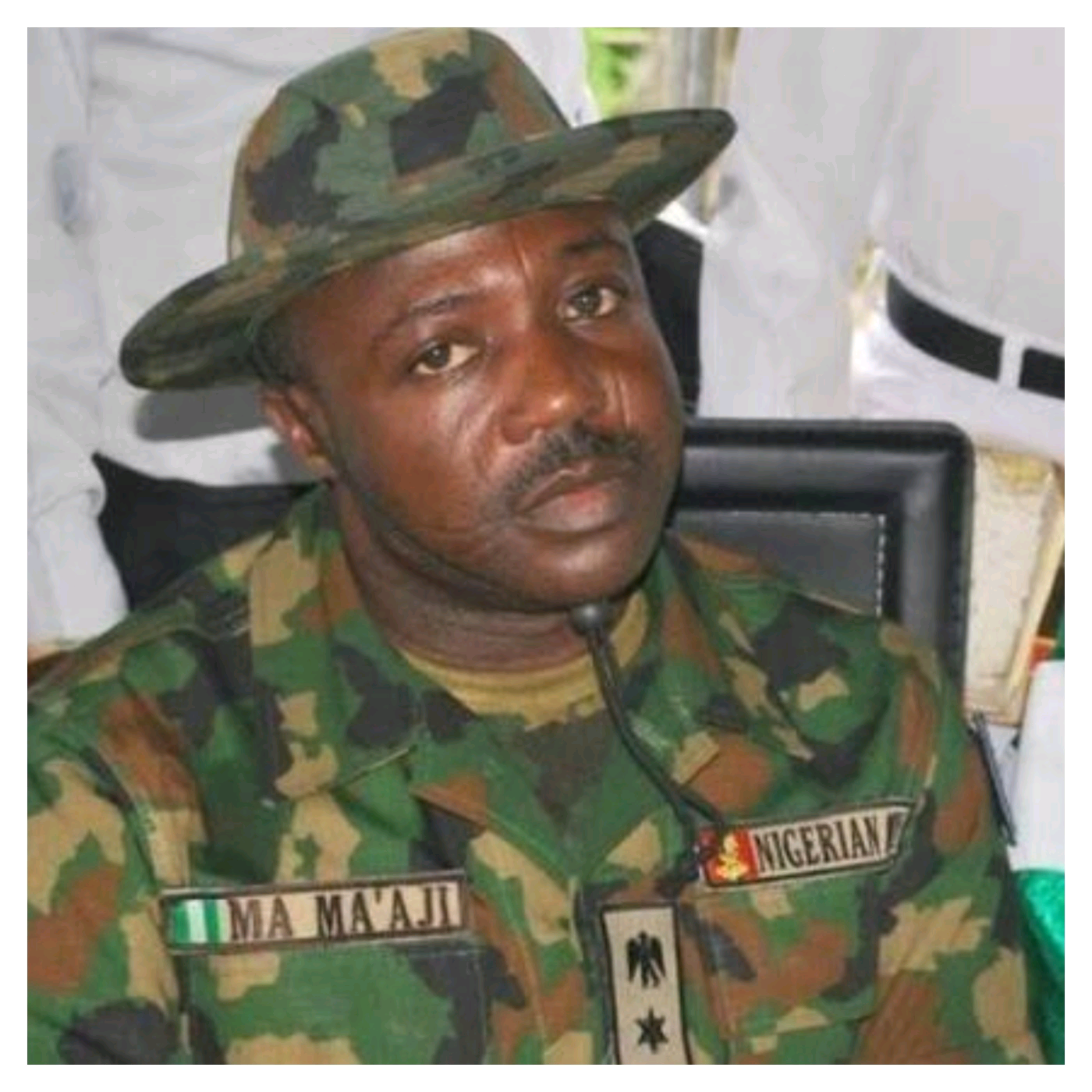

A Nigerian Army Colonel, Mohammed Ma’aji, has revealed the grievances he said drove discussions among some military officers over an alleged plan to overthrow President Bola Tinubu’s government.


Ma’aji, according to Premium Times, said the concerns extended beyond Tinubu’s administration, with discussions about possible military intervention beginning in 2023, towards the end of former President Muhammadu Buhari’s tenure.
He alleged that worsening insecurity, corruption and economic hardship were among the issues that created discontent within the group.

“Things particularly got out of control towards the end of Buhari’s administration when corruption and nepotism became the order of the day,” he stated.
The Army officer said the deteriorating security situation was another major concern, alleging that senior military authorities had failed to respond adequately to the challenges confronting the country.
According to him, the group subsequently began identifying officers who shared their concerns and were willing to support what they considered a move towards positive change.
“Most of the officers involved share the same sense of patriotism, love of country and genuine desire for positive change,” Ma’aji wrote.
He disclosed that the alleged plan did not immediately proceed because the group faced difficulties securing sufficient funds, manpower and logistical resources.
Ma’aji claimed that he personally financed much of the early stage of the project, while other officers also contributed.
He said an Army major contributed N1m, while another officer allegedly provided funds in dollars on several occasions.
The colonel further disclosed that the alleged plan resurfaced after he failed for a second time to secure promotion to the rank of Brigadier General in 2024.
However, he said the promotion setback should not be regarded as the principal motivation for the alleged coup plan.
Instead, Ma’aji pointed to several economic policies and national challenges that he said deepened dissatisfaction among those involved.
Among them, he listed the removal of fuel subsidy, exchange-rate reforms, taxation and electricity tariffs, alongside corruption and insecurity.
He also raised the government’s handling of major protests, including the #EndSARS and #EndBadGovernance demonstrations.
Ma’aji further claimed that rising unemployment and economic hardship had fuelled frustration among young Nigerians, adding to the broader concerns expressed by those involved in the alleged plan.
The revelations come amid scrutiny of the reported coup plot and the circumstances surrounding the involvement of military personnel.
 We do everything possible to supply quality news and information to all our valuable readers day in, day out and we are committed to keep doing this.
Your kind donation will help our continuous research efforts.
-Advertisement-

-Want to get the news as it breaks?-