




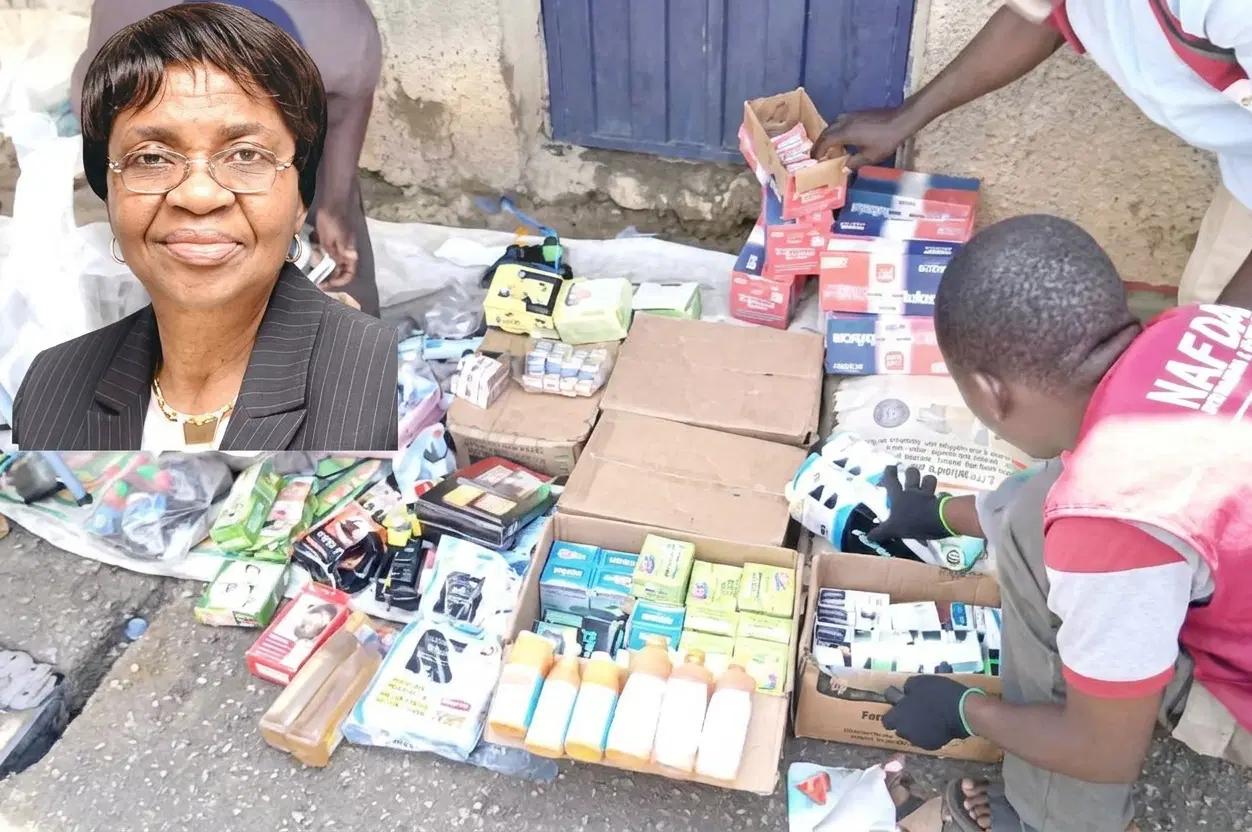

Millions of Nigerians risk serious health complications as counterfeit and substandard medicines, food and beverages continue to circulate in markets, with health experts warning that the growing menace could lead to organ damage, treatment failure, disability and death.
From fake antimalarial drugs to adulterated cooking oil, contaminated drinks and counterfeit baby foods, products that should ordinarily meet basic safety standards are increasingly becoming potential health hazards for unsuspecting consumers.
The scale of the problem is reflected in figures released by the National Agency for Food and Drug Administration and Control (NAFDAC), which reportedly destroyed unsafe, falsified and non-compliant regulated products worth ₦22.73 billion between January and August 2026.


However, beyond the monetary value of the destroyed products lies a growing public health concern, as millions of Nigerians depend on medicines and consumer goods whose authenticity and safety may not always be guaranteed.
Medical experts say exposure to harmful substances in counterfeit products can damage vital organs, worsen existing illnesses and, in severe cases, result in permanent disability or death.
Fake medicines, failed treatment

One of the most dangerous consequences of counterfeit medicines is the possibility of treatment failure.
A patient who purchases an antimalarial drug and takes it as prescribed may expect to recover. However, if the medication contains inadequate active ingredients, ineffective substances or harmful chemicals, the illness may persist while the patient remains exposed to additional health risks.
Dr Amarachukwu Enahoro, a medical doctor and public health physician at the Lagos University Teaching Hospital (LUTH), warned that counterfeit medicines could damage the kidneys and liver, depending on the substances used in producing them.
She explained that fake medicines might fail to achieve their intended therapeutic purpose while exposing consumers to complications that could affect their quality of life.
According to her, damage to vital organs could result in loss of function and disability.
A NAFDAC operation in Lagos in February 2026 further illustrated the scale of the problem, following the seizure of more than 10 million doses of counterfeit malaria medicines and cosmetic products reportedly valued at approximately ₦3 billion at Trade Fair Market.
The operation reportedly led to the removal of eight truckloads of products and the arrest of four suspects.
In April 2025, the agency also warned Nigerians about counterfeit Aflotin 20/120 antimalarial tablets circulating under the name of a genuine medicine.
Danger beyond medicines
The threat extends beyond pharmaceutical products to food, drinks and everyday household essentials.
Adulterated beverages, contaminated juices and cooking oils falsely marketed under established brands can expose consumers to potentially harmful substances.
In January 2026, NAFDAC reportedly uncovered an operation at Oke-Arin Market, Idumota, Lagos, where palm oil was allegedly mixed with colouring agents and repackaged as Goya Extra Virgin Olive Oil.
The incident raised concerns about the growing sophistication of product counterfeiting, particularly where familiar packaging and brand names are exploited to deceive consumers.
Dr Ope Osunyomi, a public health expert, Financial Secretary of the Medical Guild and medical officer of health with the Lagos State Government, warned that harmful substances in counterfeit products could cause vital organs to fail.
He said the consequences depended on the substances consumed and their effects on the body’s major organs.
Children, pregnant women, older people and individuals living with chronic illnesses may face particularly serious risks from certain harmful exposures.
Consumers pay twice
For many households struggling with rising living costs, cheaper medicines and consumer products often appear to offer financial relief.
However, health experts warn that purchasing counterfeit or substandard products could eventually impose a heavier financial burden.
Dr Adefunke Ronnie Adeniyi, a public health physician at LUTH, said consumers might spend more money treating illnesses when cheaper, fake medicines failed to produce the expected results.
She explained that patients could require additional consultations, investigations, medications and even hospital admissions when initial treatment failed.
The financial consequences also extend to families who lose income when illness prevents them from working or forces relatives to spend time caring for sick members.
Adeniyi cautioned against blaming consumers alone, noting that poverty and the rising cost of living could push people towards cheaper alternatives.
She also identified weaknesses in the supply chain, explaining that counterfeit products could enter the market through manufacturers, importers, wholesalers, pharmacies, markets and online sellers.
She warned that counterfeiters could reproduce packaging and registration details so convincingly that consumers might struggle to distinguish fake products from genuine ones.
Resistance, wider health risks
Beyond organ damage and treatment failure, counterfeit medicines pose another serious threat through antimicrobial resistance.
Medical experts warn that antibiotics containing inadequate quantities of active ingredients may fail to eliminate disease-causing organisms, allowing resistant microorganisms to survive and spread.
Dr Adewale Oladipo, a medical practitioner and public health physician, described the circulation of counterfeit medicines as a serious public health threat capable of undermining the country’s healthcare system.
He said patients suffering from malaria, typhoid, hypertension, diabetes and infectious diseases could experience worsening conditions when medicines contained incorrect ingredients or inadequate active pharmaceutical components.
Oladipo warned that the consequences could include prolonged illness, organ damage, increased treatment costs and death.
He urged Nigerians to avoid self-medication, purchase medicines from licensed outlets and seek medical advice whenever they experienced unusual reactions or suspected that a drug was ineffective.
Beyond seizures and destruction
Experts insist that the fight against counterfeit products must extend beyond raids and the destruction of seized goods to include stronger surveillance, effective prosecution and improved consumer education.
Osunyomi called for stronger regulatory institutions, particularly NAFDAC and the Standards Organisation of Nigeria, to improve the identification and tracking of counterfeit products.
Adeniyi also advocated more effective inspections, laboratory testing and monitoring of distribution networks, including online marketplaces.
She stressed the need for manufacturers and distributors to strengthen quality-control procedures while healthcare professionals should educate patients and report suspected falsified medicines.
Consumers, meanwhile, have been advised to purchase medicines from reputable and licensed outlets, examine packaging and report suspicious products to the appropriate authorities.
Experts also caution that checking packaging or registration numbers alone cannot guarantee authenticity, as counterfeiters can reproduce details belonging to legitimate products.
Osunyomi further called for greater community participation, urging religious organisations, market associations, community leaders and individuals to reject the sale of unsafe products and report suspicious activities.
 We do everything possible to supply quality news and information to all our valuable readers day in, day out and we are committed to keep doing this.
Your kind donation will help our continuous research efforts.
-Advertisement-

-Want to get the news as it breaks?-