





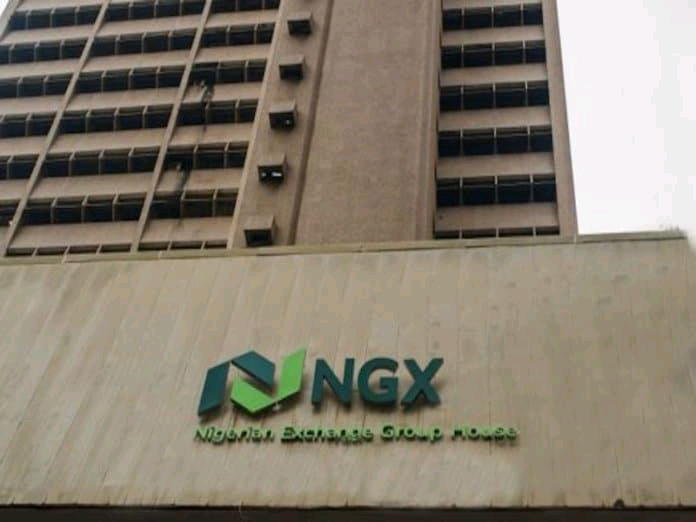

The Nigerian equities market recorded a sharp downturn last week as investors lost about N5.64tn in market value following widespread sell-offs across key sectors of the Nigerian Exchange (NGX).
Data from the market showed that the NGX All-Share Index (ASI) declined by 3.59 per cent week-on-week, closing at 235,941.27 points, down from 244,738.74 points recorded at the beginning of the trading week. The decline effectively erased gains recorded in previous weeks of sustained bullish momentum.
Market capitalisation also dropped significantly to N151.33tn, reflecting a N5.64tn loss in equity value over the period. Despite the decline, the market still maintained a year-to-date return of 51.62 per cent.


Analysts attributed the downturn largely to profit-taking by investors after months of strong gains, particularly in banking and consumer goods stocks. They also pointed to portfolio rebalancing as investors shifted toward fixed-income instruments offering higher yields amid tightening liquidity conditions.
Speaking on the development, a Group Managing Director of a securities firm, Mike Eze, described the decline as a normal market correction following an extended rally, stressing that such pullbacks are healthy for long-term market stability.
He noted that while the drop appears significant in value terms, it should be viewed within the context of the market’s strong performance earlier in the year, adding that fundamentally strong stocks still retain growth potential.

Another analyst, Femi Lawal, said the sell-off reflected a broader reassessment of risk assets by investors, noting that rising interest rates and attractive fixed-income returns were influencing capital flows away from equities.
Market data showed negative breadth during the week, with 78 losers compared to 11 gainers, highlighting weak investor sentiment across most sectors.
Trading activity was mixed, as volume declined by 38.04 per cent week-on-week, even as transaction value increased, suggesting selective participation and strategic repositioning by institutional investors.
The financial services sector remained the most active, accounting for the bulk of traded shares, followed by the services and consumer goods sectors. Access Holdings Plc, Sterling Financial Holdings Company Plc, and Jaiz Bank Plc were among the most actively traded stocks.
Despite the bearish week, analysts maintained that the correction could create attractive entry points for long-term investors, especially as market participants continue to monitor corporate earnings and macroeconomic indicators for direction.
 We do everything possible to supply quality news and information to all our valuable readers day in, day out and we are committed to keep doing this.
Your kind donation will help our continuous research efforts.
-Advertisement-

-Want to get the news as it breaks?-