

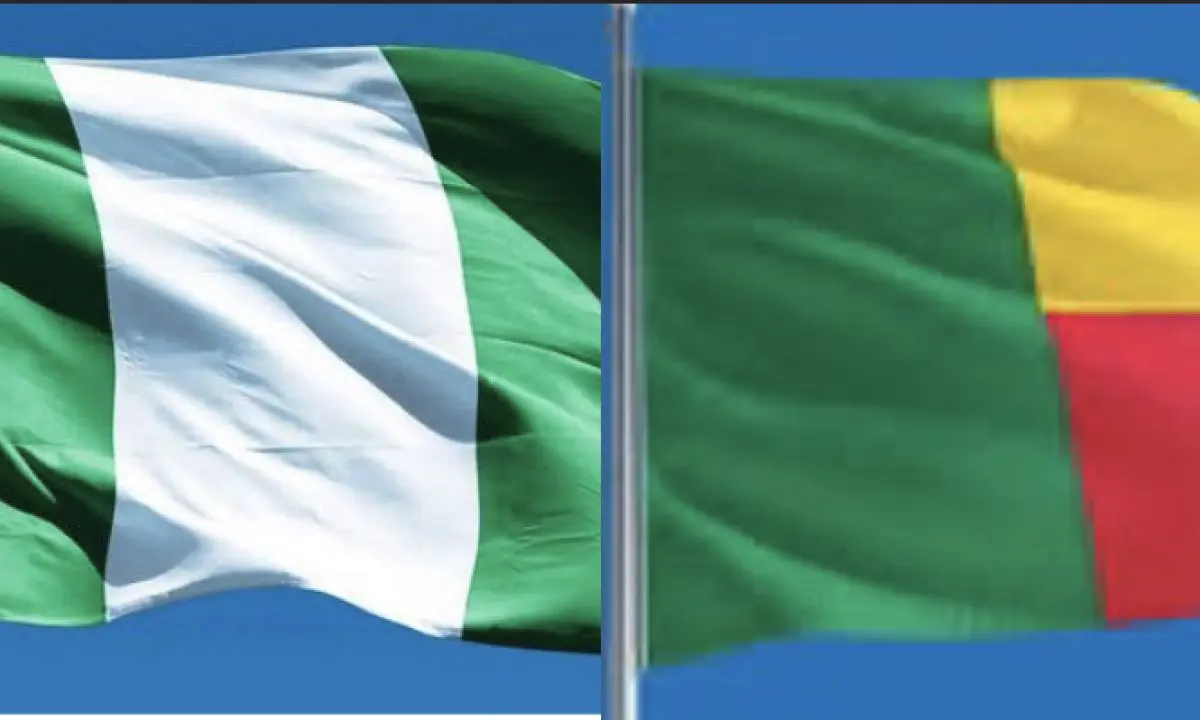
Nigeria and the Republic of Benin have signed a Memorandum of Understanding (MoU) to enhance cross-border cooperation at the grassroots level, focusing on security, development, and cultural integration.
In a statement issued on Friday in Abuja, the Director-General of the National Boundary Commission (NBC), Mr Adamu Adaji, said the agreement was signed within the framework of the African Union Convention on Cross-Border Cooperation, ECOWAS initiatives, and the Nigeria–Benin bilateral cooperation pact.
The statement, signed by Mrs Efe Ovuakporie, Head of Information and Public Relations, NBC, stressed that the MoU formalises collaboration between chairmen of Nigeria’s border local government areas, mayors of communes in Benin Republic, and traditional rulers from both countries.


According to Adaji, the pact is designed to strengthen community resilience against rising cross-border crimes, while also reviving socio-cultural linkages fractured by colonial boundaries.
He explained that the MoU will aid the ongoing delimitation and demarcation of the Nigeria–Benin boundary, empowering local leaders and traditional authorities to resolve disputes amicably and maintain stability along the frontier.
“Beyond peace and security, this agreement recognises the economic and developmental role of border communities. Joint initiatives in trade, agriculture, infrastructure development, and cultural exchanges will improve livelihoods and drive regional integration,” Adaji said.

Hon Idris Mohammed, Chairman of Baruten Local Government Council in Kwara State, who represented Nigeria’s border local governments, described the agreement as a timely solution to long-standing community concerns.
Similarly, Mr Joseph Ahoyo, Mayor of Malanville Commune in Benin Republic, emphasised the uniqueness of the pact, noting that it gives local actors an active role in shaping the future of their shared border.
READ ALSO: NDLEA Arrests Lagos Pastor Over Cross-Border Drug Trafficking
“National agreements are important, but without grassroots participation, implementation often stalls. This MoU is unique because it empowers communes and traditional authorities to play an active role,” Ahoyo said.
Both sides confirmed that practical steps would follow, including Joint Dialogue Platforms and pilot programmes in security, economic exchanges, and cultural revival.
Officials believe the agreement will deliver early benefits while reinforcing the long-term goals of peace, development, and regional integration.
 We do everything possible to supply quality news and information to all our valuable readers day in, day out and we are committed to keep doing this.
Your kind donation will help our continuous research efforts.
-Advertisement-

-Want to get the news as it breaks?-