



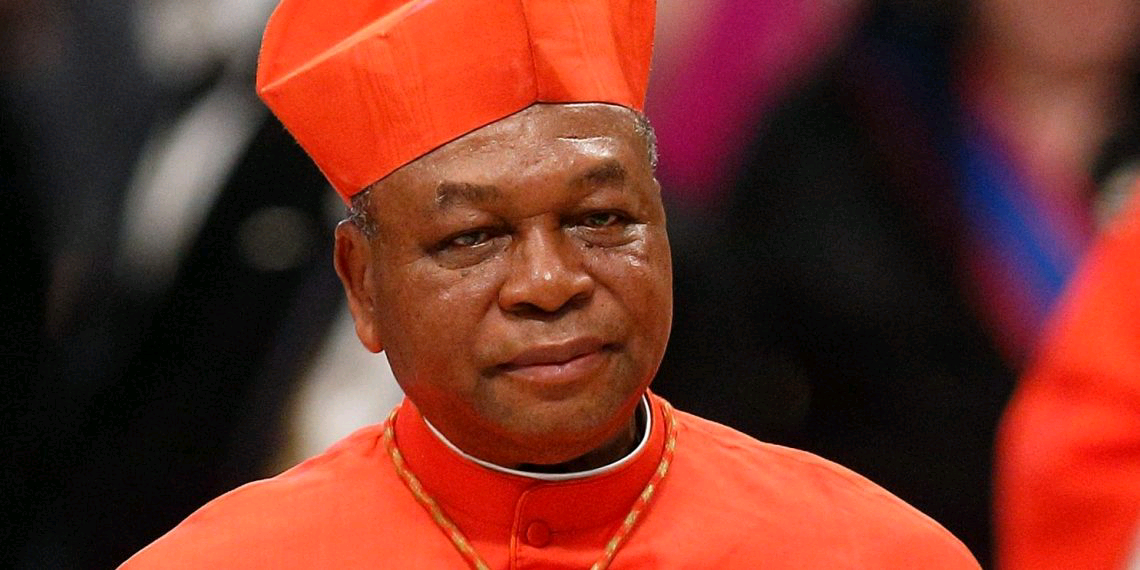

Archbishop Emeritus of Abuja, John Cardinal Onaiyekan, has expressed concern over what he described as the declining quality of elections in Nigeria since the country returned to democratic rule in 1999.


Onaiyekan spoke on Thursday while delivering the keynote address at the 22nd All Nigeria Editors Conference (ANEC 2026), organised by the Nigerian Guild of Editors in Enugu.
The conference is themed, “The Ballot, the Media and the Task of Keeping Democracy Alive”, with discussions also focusing on the challenges posed by artificial intelligence-driven disinformation ahead of the 2027 general elections.

Reflecting on Nigeria’s electoral experience since 1999, Onaiyekan said it was difficult to conclude that the country had made consistent progress in the quality of its elections.
“In Nigeria, we have had several elections since 1999. It is difficult to believe that we have been making progress. In fact, it seems that the quality of the elections has been reducing from one election to the other, and this is not good news at all,” he said.
He identified several challenges affecting the electoral process, including the conduct of politicians, the influence of incumbency, concerns about the independence of the Independent National Electoral Commission (INEC), the role of security agencies and the increasing reliance on the judiciary to settle electoral disputes.
According to him, some politicians approach elections as a struggle for power and influence, with the interests of voters sometimes pushed aside.
He also criticised the use of state resources for partisan political activities and questioned situations in which political leaders claim they can deliver large blocs of votes to particular candidates.
On INEC, the cleric argued that the process for appointing its chairman and commissioners should be reviewed to reduce dependence on the executive.
“We need to review the method of appointment of the INEC, the Chairman and the commissioners. They should not depend on Mr. President and the governors, who are themselves contestants in elections,” he said.
Onaiyekan proposed the establishment of a specialised election tribunal dedicated exclusively to electoral disputes, with strict timelines for resolving cases.
He also called for laws allowing ordinary voters to challenge election results where they believe their votes were improperly counted.
“As at now, only candidates have locus standi to challenge election results. But we who cast the votes and whose votes are at stake have no room to complain. This must change,” he said.
The cleric further argued that election petitions should be concluded before elected officials are sworn into office, saying prolonged disputes after inauguration create an uneven situation in which incumbents can deploy state resources in defending their positions.
He also advocated provisions for independent candidates, particularly at the local government level, to reduce what he described as the dominance of political parties and their godfathers.
For presidential elections, Onaiyekan proposed a 50 per cent threshold, with a second round of voting between the two leading candidates where no candidate achieves the required figure in the first round.
He also called for stricter rules governing the defection of legislators from the political parties on whose platforms they were elected.
On the role of the media, Onaiyekan urged journalists and media organisations to maintain professional autonomy and resist pressure from government, private organisations and corporate interests.
He said the media had a responsibility to inform citizens about the state of the nation, scrutinise government policies and contribute to the protection of democratic institutions.
“The media has an important role in upholding democracy, to keep the people informed about the true state of the nation,” he said.
He also highlighted the opportunities and risks created by social media and artificial intelligence, stressing the need for journalists to acquire the skills required to operate effectively in an increasingly technology-driven media environment.
Onaiyekan said Nigeria could still improve its democratic system despite the weaknesses in the existing electoral framework, particularly if political actors and institutions adhered to the rules.
He urged the media to use the relative freedom it enjoys responsibly and professionally in strengthening democratic accountability.
The cardinal ultimately called for a political system in which leaders are freely chosen by citizens and governance is directed towards the common good.
He also urged religious leaders to promote values of good governance rather than seek political patronage.
 We do everything possible to supply quality news and information to all our valuable readers day in, day out and we are committed to keep doing this.
Your kind donation will help our continuous research efforts.
-Advertisement-

-Want to get the news as it breaks?-