






Prostate cancer is one of the most common cancers affecting men, particularly older men. It develops in the prostate, a small gland located below the bladder and in front of the rectum.
One of the challenges with the disease is that it may not cause noticeable symptoms in its early stages. Some men only discover they have prostate cancer during routine medical examinations or screening.
When symptoms occur, they may include changes in urination, blood in the urine or semen, and persistent pain in certain parts of the body. However, these symptoms do not automatically mean a man has prostate cancer, as other conditions, including an enlarged prostate and urinary tract infections, can cause similar problems.


Here are 10 possible warning signs and symptoms men should not ignore.
1\. Frequent urination
A man may begin to urinate more frequently than usual, particularly at night. This may involve waking up several times to visit the toilet, even when he has not consumed much fluid.

2\. Difficulty starting urination
Some men may experience difficulty initiating the flow of urine. They may have to wait, strain or make repeated attempts before urination begins.
3\. Weak or interrupted urine flow
A noticeable reduction in the force of urine flow may occur. The stream may become weak, stop unexpectedly or take longer than usual to empty the bladder.
4\. Difficulty emptying the bladder
A man may feel that his bladder is still full immediately after urinating. This sensation can lead to repeated visits to the toilet.
5\. Blood in the urine
Blood in the urine, medically known as haematuria, is a symptom that requires medical attention. It may make urine appear pink, red or brown, although the amount of blood may be too small to change its colour visibly.
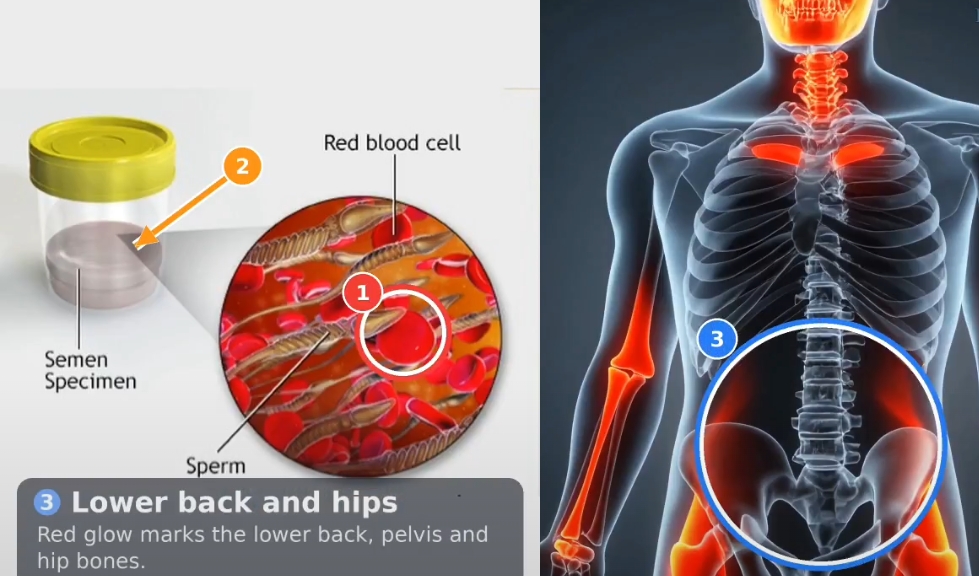
6\. Blood in the semen
The presence of blood in semen, known as haematospermia, may sometimes be associated with prostate or other urological conditions. It should be assessed by a healthcare professional, particularly when it occurs repeatedly.
7\. Pain or burning during urination
Some men may experience discomfort, pain or a burning sensation when passing urine. Although infections and other prostate conditions are more common explanations, persistent symptoms should be investigated.
8\. Erectile dysfunction
Difficulty achieving or maintaining an erection may occur in men with prostate cancer, although erectile dysfunction has many other possible causes. It can also develop as a side effect of prostate cancer treatment.
9\. Persistent pain in the back, hips or pelvis
Pain that does not go away in the lower back, hips, pelvis or other areas may be a warning sign of advanced prostate cancer, particularly if the disease has spread to the bones.
10\. Unexplained weight loss and fatigue
Unintentional weight loss, persistent tiredness and general weakness may occur in men with advanced cancer. These symptoms are not specific to prostate cancer but should not be ignored when they persist without an obvious explanation.
Who Is at Greater Risk?
Although any man can develop prostate cancer, certain factors increase the risk.
Age: The risk increases as men grow older, particularly after age 50.
Family history: Men whose fathers, brothers or other close relatives have had prostate cancer may face a higher risk.
Genetic factors: Certain inherited genetic changes can increase susceptibility.
Race and ancestry: Men of African ancestry have a higher risk of developing prostate cancer and are more likely to experience aggressive forms of the disease.
When Should Men See a Doctor?
Men experiencing persistent urinary problems, blood in their urine or semen, unexplained pain or other unusual symptoms should seek medical evaluation.
Importantly, early prostate cancer often produces no symptoms. Men should therefore discuss their individual risk and the possible benefits and limitations of screening with a qualified healthcare professional.
Screening may involve a prostate-specific antigen (PSA) blood test and, where appropriate, a digital rectal examination. Neither test alone can confirm prostate cancer; further investigations may be necessary.
 We do everything possible to supply quality news and information to all our valuable readers day in, day out and we are committed to keep doing this.
Your kind donation will help our continuous research efforts.
-Advertisement-

-Want to get the news as it breaks?-