





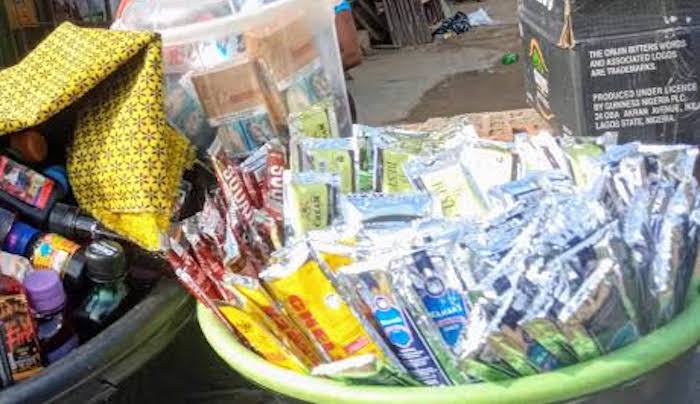

Rivers and Lagos states have emerged as the leading centres for the consumption of sachet and small-bottle alcoholic drinks among minors and underage persons in Nigeria, a nationwide survey by the National Agency for Food and Drug Administration and Control (NAFDAC) has revealed.
The survey, conducted between June and August 2021, involved 1,788 respondents across six states and was carried out in collaboration with the Distillers and Blenders Association of Nigeria. Research and Data Solutions Ltd, Abuja, handled the field work.
Presenting the findings on Tuesday, NAFDAC Director-General, Prof. Mojisola Adeyeye, said alcohol remains one of the most commonly abused substances among young people, largely due to its widespread availability and ease of access.

According to the report, 54.3 per cent of minors and underage respondents obtained alcohol by themselves, with nearly half purchasing drinks in sachets or Polyethylene Terephthalate (PET) bottles.
Rivers State recorded the highest rates, with 68 per cent of respondents consuming alcohol in sachets and 64.5 per cent in PET bottles. Lagos followed with 52.3 per cent sachet consumption and 47.7 per cent PET bottle use, while Kaduna recorded lower figures.
The study also found that alcohol consumption in sachets was more common among males than females and slightly higher in rural areas than urban centres.
READ ALSO:Don’t go to Abuja – US issues fresh warning to citizens, diplomats, their relations

Beyond direct purchases, minors and underage persons were reported to access alcohol through friends and relatives, social events, and even parents’ homes.
On drinking habits, the report revealed that while most minors and underage respondents were occasional drinkers, a worrying proportion admitted to daily alcohol consumption, especially among those aged 13 to 17.
NAFDAC warned that the continued availability of small, easily concealed alcohol packs encourages underage drinking and called for stricter regulations.
The agency recommended a ban on sachet alcohol and bottles below 200 millilitres, describing it as a critical step towards reducing alcohol abuse among children.
It also urged parents, schools, religious institutions and community leaders to take collective responsibility, stressing that alcohol consumption by children should be treated as a serious public health concern.
NAFDAC said the findings highlight the urgent need for stronger policies and sustained public awareness campaigns to curb underage drinking across the country.
 We do everything possible to supply quality news and information to all our valuable readers day in, day out and we are committed to keep doing this.
Your kind donation will help our continuous research efforts.
-Advertisement-

-Want to get the news as it breaks?-