
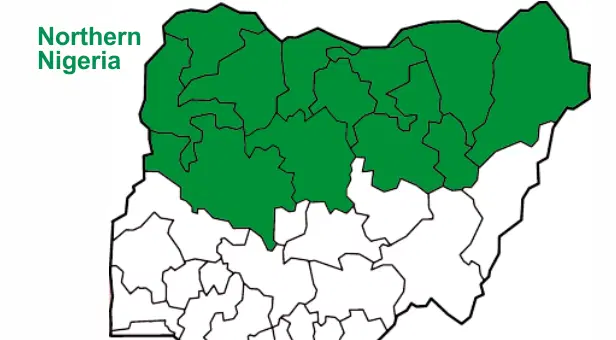
Campaigns for Nigeria’s 2027 general elections are taking different shapes across Northern Nigeria, as disputes over billboards, regulatory restrictions, high advertising charges and unresolved party crises influence political mobilisation.
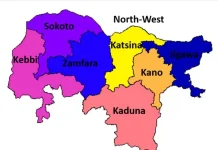
According to Vanguard, campaign activities have gained visibility in states including Kaduna, Nasarawa, Sokoto, Taraba and Katsina, while Kebbi, Benue, Kano and Borno remain relatively quiet.


Niger State has emerged as a major centre of controversy, with opposition parties accusing the ruling APC of restricting their access to strategic billboard locations.
ADC state chairman Hassan Musa alleged that his party was stopped from erecting a billboard in Paiko despite obtaining the necessary approvals. He argued that the situation threatened political competition and multiparty democracy.
PDP governorship candidate Mohammed Mamman Nami also alleged that his posters and banners were removed after he criticised Governor Mohammed Umaru Bago’s administration.

The NDC reported similar concerns, with its senatorial candidate, Muhammed Rabiu Sadiq, complaining that his billboard in Bida had been marked for removal. The APC, however, also accused aggrieved members and supporters of vandalising its campaign materials.
Government rules spark billboard disputes
In Plateau State, the Jos Metropolitan Development Board has warned political parties against placing posters and campaign materials on public infrastructure. It said advertisements must be approved and displayed only at designated locations, with violators facing enforcement action and a reported ₦500,000 penalty.
Kwara State has also witnessed a billboard controversy after the state signage agency removed some campaign displays belonging to PDP governorship candidate Suleiman Bolakale Kawu.
The agency said the materials breached advertising and environmental regulations. General Manager Toba Adeyeye denied that the action was politically motivated, saying the rules applied regardless of party affiliation.
Kawu’s camp, however, described the removal as an attempt to reduce the opposition’s visibility.
Uneven mobilisation across the North
While Zamfara’s APC and opposition candidates have begun political activities, campaign displays remain limited in Gusau. Kebbi has seen little visible mobilisation, with parties still preparing to launch their campaigns.
Adamawa candidates have stepped up grassroots engagement and signed a peace accord, but restrictions on posters and banners have reduced campaign displays.
Nasarawa has recorded stronger activity, with APC, PDP and SDP candidates holding meetings and promoting their programmes. Yobe has also seen more posters, billboards and consultations with traditional and community leaders.
In Kogi, support groups are organising town hall meetings and unveiling campaign materials, but high signage charges could discourage extensive billboard advertising. Reported fees range from ₦5 million for State House of Assembly candidates to ₦150 million for presidential candidates.
Bauchi is witnessing rallies, ward visits and door-to-door mobilisation by political parties.
Sokoto, Taraba and Katsina heat up
Political visibility is increasing in Sokoto, where APC, ADC and NDC posters and billboards have appeared across major streets. The APC has a strong physical presence, while opposition parties are working to expand their grassroots structures.
In Taraba, candidates are conducting ward-to-ward tours and consultations, with governorship aspirants receiving endorsements from community and socio-political groups.
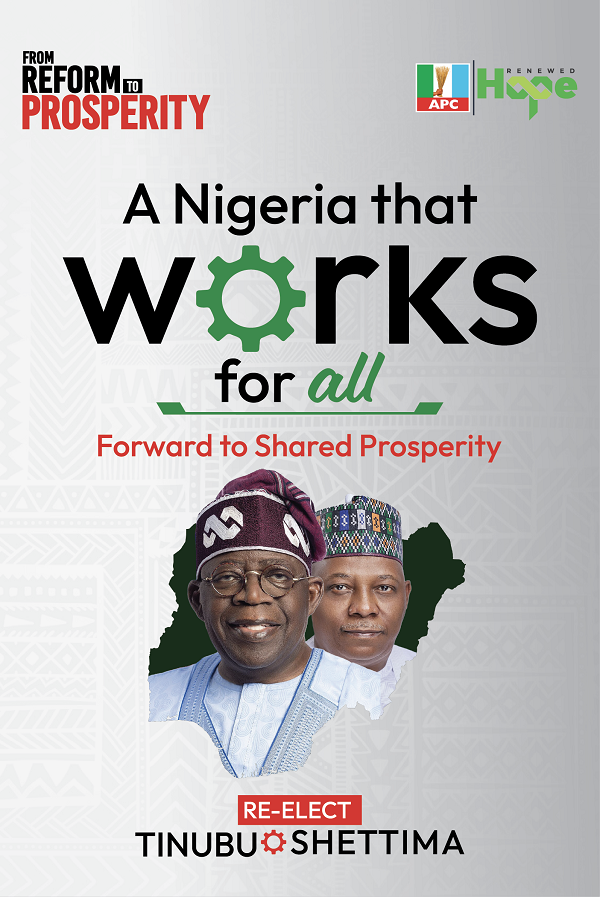
Katsina is seeing intensive grassroots mobilisation by the APC and its support organisations. Governor Dikko Umar Radda has pledged door-to-door campaigning for President Bola Tinubu and other party candidates, while campaign vehicles and offices have been deployed across the state’s 34 local government areas.
Kaduna advances as Kano struggles with party disputes
Kaduna has recorded some of the most visible campaign activities in the region. The APC dominates several strategic locations with large billboards, while ADC, PDP and NDC candidates have relied more on posters and displays around walls, bridges and party offices.
PDP candidate Shehu Bawa alleged that some billboard owners in Kaduna North declined to display opposition materials after asking prospective advertisers about their party affiliation.
Kano’s campaign activities remain limited as major parties deal with internal disputes and legal challenges. The NDC faces a leadership disagreement over candidate changes, the ADC is involved in a court dispute over its governorship ticket, and the PDP has replaced its governorship candidate.
The APC has started grassroots mobilisation, but the billboard competition often associated with Kano elections has yet to gather momentum.
In Borno, the APC launched its campaign in Maiduguri on September 27, while several opposition parties had yet to formally begin theirs. Some candidates in Southern Borno have started visits to traditional rulers, religious leaders and other stakeholders.
The differences across Northern Nigeria show how party organisation, advertising regulations, financial costs and disputes over campaign access are shaping the early phase of the 2027 election season. The extent to which candidates can access public spaces and campaign on equal terms remains a key issue as political activities continue to develop.
 We do everything possible to supply quality news and information to all our valuable readers day in, day out and we are committed to keep doing this.
Your kind donation will help our continuous research efforts.
-Advertisement-

-Want to get the news as it breaks?-